
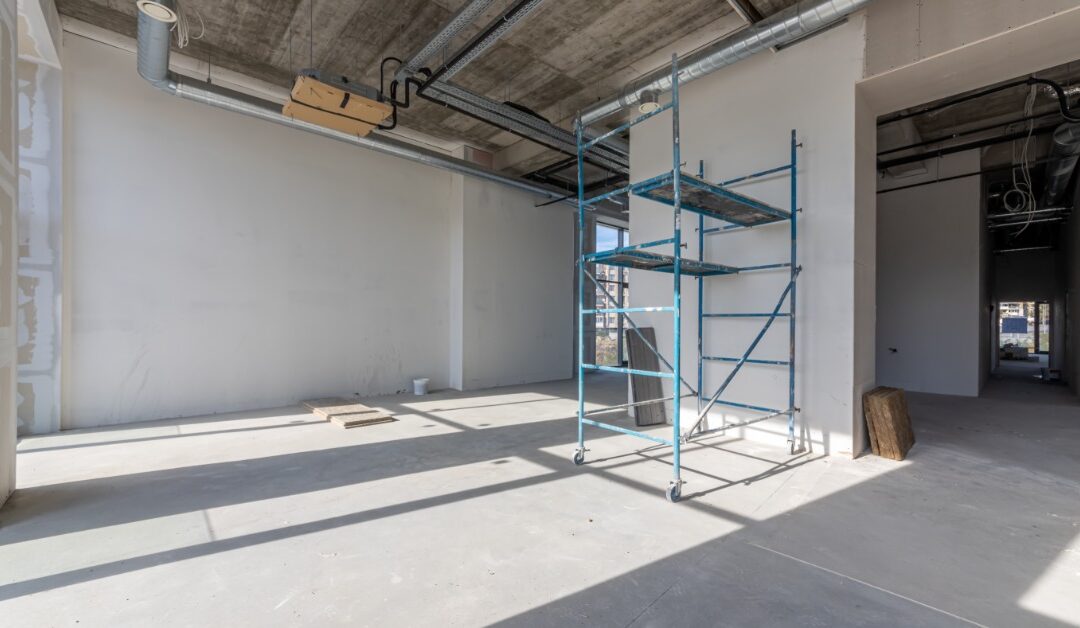
Rehab construction projects create value by improving outdated properties, increasing usability, and opening the door to stronger income or resale potential. At the same time, the project’s success depends on more than just the renovation plan. To understand how a deal may unfold from purchase to completion, investors need to look closely at how commercial loans for rehab construction affect cash flow, timing, and decision-making. The right funding structure can shape everything from contractor scheduling to how smoothly the property moves toward its final exit.
Project Scope Drives Terms
The scope of work plays a major role in shaping the loan structure. A light cosmetic update requires a different approach than a heavy repositioning with layout changes, system upgrades, or structural work. Lenders review the scope to understand both cost and execution risk.
More complex projects usually require closer monitoring during the renovation. Lenders may look for detailed contractor bids, timelines, and contingency planning before moving forward. That added scrutiny helps align expectations early and keeps surprises from derailing the deal later.
Timeline Realities
Construction timelines are rarely straightforward. Weather delays, inspection backlogs, and supply issues can shift schedules even with solid planning. Therefore, financing needs to account for movement rather than assume perfect execution.
A loan term that leaves no extra time for delays can make a rehab project harder to manage than it needs to be. It means the borrower has very little flexibility if the work takes longer than expected, even for a routine issue. For example, a project may stay on schedule through demolition, but then an inspection delay could push back framing or electrical work by a week or two. When that happens with a loan term that’s too short, the borrower may face added stress, higher carrying costs, and more pressure to finish quickly instead of making careful decisions.
How Loan Terms Are Set
Loan terms for rehab projects are usually based on how long the lender expects the work and exit to take. Lenders review the scope of work, contractor timeline, and the borrower’s plan after completion. They also factor in the property type, level of repairs, and current market conditions that could affect timing. All of this helps them set a loan term that aligns with the project.

Cash Flow Planning
Rehab projects require consistent cash flow, even before the property begins generating income. Payments for labor, materials, and overhead continue regardless of progress on leasing or resale. That is why planning for liquidity matters just as much as securing the loan itself.
These are the key cash flow areas investors should evaluate before starting a rehab project:
- Monthly carrying costs, including interest and taxes.
- Contractor payment schedules and deposits.
- Material ordering timelines and upfront expenses.
- Permit fees and inspection-related costs.
- Emergency reserves for unexpected repairs.
Loan Structure Basics
Commercial rehab loans typically combine acquisition financing with funds allocated for improvements. The structure may vary, but the goal is to align capital with the project’s phases. By doing this, borrowers manage expenses without overextending early in the process.
Working with a commercial hard money lender means partnering with a private lender that evaluates deals based on asset value, condition, and execution strategy rather than relying on a long conventional process. That type of lender may offer faster approvals and flexible structuring. Rather than releasing all funds upfront, many loans distribute capital in stages tied to progress. This setup encourages accountability and keeps the project aligned with the original plan.
Down Payment Expectations
Equity plays a central role in commercial rehab financing. Borrowers should expect to bring meaningful cash into the deal, and many lenders require at least 20 percent down, with some projects requiring more depending on risk and property condition.
A stronger equity position can also improve the overall financing conversation. Lenders want to see that the borrower is committed to the project and has room to absorb setbacks. The stronger position may support smoother approvals.

Exit Planning Strategy
Every rehab project needs a clear exit strategy before construction starts, because the loan structure should support the end goal from day one. Some investors plan to sell for a profit, while others aim to refinance into longer-term debt or hold the property for income. Each path affects the budget, timeline, and renovation choices.
Selling
An investor planning to sell needs to think carefully about buyer expectations in their market. Renovation choices should make the property more competitive without pushing costs too high for the expected resale price. Local demand, comparable sales, and time on market all matter when estimating the exit.
Refinancing
A refinance exit depends on the property’s condition and value after the rehab is complete. Lenders will usually want to see a stronger asset, better income potential, or improved occupancy before moving into permanent financing.
Holding
A hold strategy focuses on the property’s long-term performance after the rehab wraps up. Investors taking this route usually look more closely at rental income, tenant demand, and ongoing operating costs than at short-term resale numbers.
Risk Management
Renovation work introduces variables that do not show up in stabilized deals. Structural issues, outdated systems, and code compliance concerns can all surface mid-project. That reality makes risk management a constant priority throughout the loan term.
These are common risk factors investors should actively manage during a rehab:
- Hidden damage uncovered during demolition.
- Contractor delays or scheduling conflicts.
- Rising material costs during construction.
- Inspection or permitting setbacks.
- Shifts in market demand during the timeline.
It’s important to manage these risks because the loan depends on the project staying financially and operationally on track. Delays, cost overruns, or major surprises can affect draw timing, increase carrying costs, and put more pressure on the borrower’s exit plan.
A successful rehab project relies on how well the financing supports each phase. From loan terms to draw schedules and exit planning, every detail plays a role in how the deal performs. When investors understand commercial loans for rehab construction, they can make better decisions about timing, budgeting, and the overall direction of the project. BridgeWell offers fast, direct lending with competitive terms for real estate investors working on rehab projects. Contact us to enjoy personal service and practical guidance from an experienced lender.