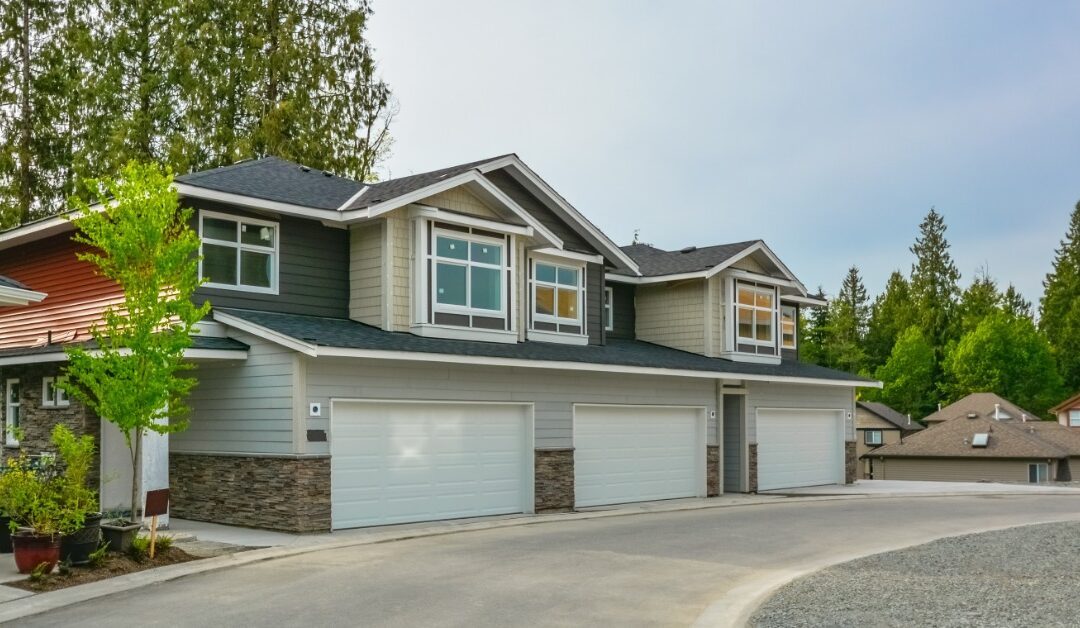
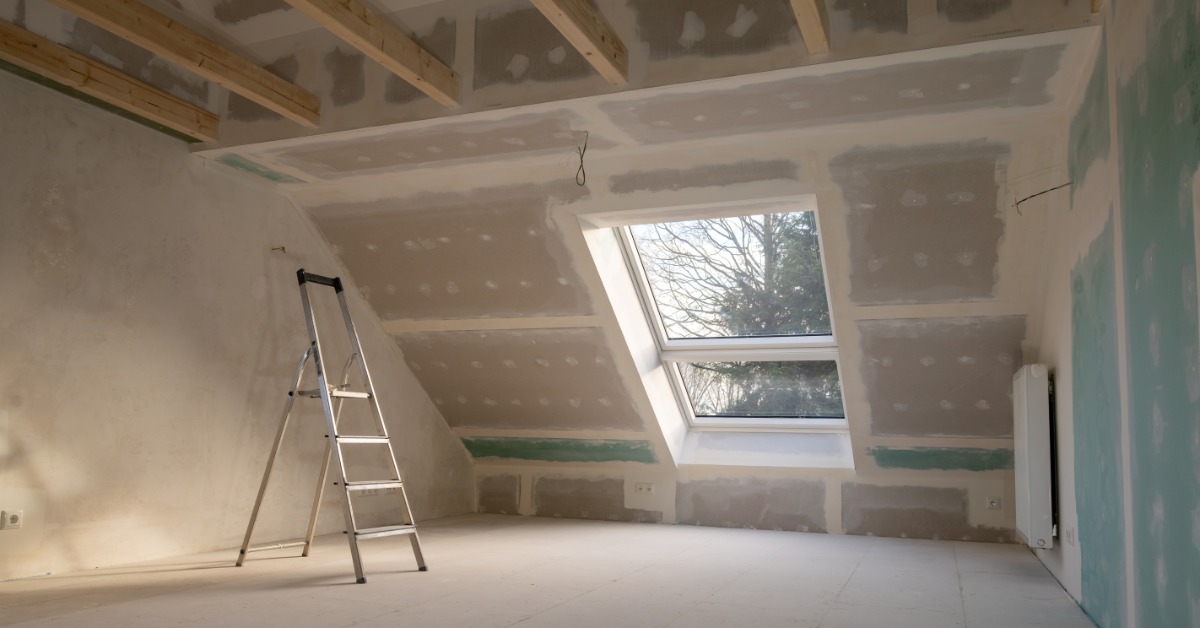
A renovation can start with something as simple as replacing worn flooring and quickly grow into a much larger project. Figuring out how to pay for the work becomes part of the planning process. Investors have many ways to finance home improvements and renovations depending on the property and plans for the finished home. Here are four options to pay for materials, labor, and other costs.
Know What the Renovation Requires
Before comparing loans, outline the work the property needs. A light cosmetic update may call for a different financing structure than a property that needs substantial repairs.
Before applying for financing, you should:
Estimate the renovation budget.
Review the property’s current condition.
Determine how quickly the work needs to begin.
Check whether the property has usable equity.
Decide whether you plan to sell, rent, hold, or refinance the property.
Calculate how much additional cash you can contribute.
1. Cash-Out Refinance
Investors can finance home improvements and renovations by turning existing equity into funds for the work. With a cash-out refinance, a property owner replaces an existing loan with a larger one and receives part of the difference in cash. That money can then go toward qualifying repairs, upgrades, or other real estate expenses. This option may suit investors who already own the home and have built up enough equity to access.
Consider the Available Equity
The amount available through a cash-out refinance depends largely on the home’s value and remaining loan balance. Lenders also apply their own loan-to-value requirements when deciding how much equity a borrower can access. As a result, two similarly valued homes may produce very different cash amounts.
Weigh the New Loan Terms
A cash-out refinance changes more than the amount of money available for renovations. It also replaces the current mortgage with new terms that may affect the interest rate, monthly payment, and repayment period. Investors should compare those changes with the expected cost and purpose of the improvements.
Plan for What Comes Next
The refinance should also fit what you intend to do once the work is complete. An investor who plans to keep the home as a rental may compare the new payment with expected income and operating costs. Someone preparing to sell or refinance again may have different financial goals and a different holding period.
2. Rehab-Only Financing
Investors who already own a home may need money for construction without financing another purchase at the same time. A home loan for a rehab can focus on work tied to an existing structure, which may be useful when the acquisition is already complete. This type of loan can cover a defined scope of improvements while the investor moves the home toward resale, rental, or refinance.
Common renovation expenses may include:
interior updates
roofing or exterior repairs
plumbing or electrical work
kitchen and bathroom renovations
repairs needed before renting or resale
Build a Realistic Schedule
The amount and complexity of the work will affect how long the renovation takes. Smaller updates can move quickly, while extensive repairs may require several phases or multiple contractors. Material delays, permitting issues, or hidden damage can also extend the schedule.
Tie Repairs to the End Goal
The improvements should support what the investor wants to do with the home afterward. A property intended for resale may call for different upgrades than one being prepared for tenants. The same is true for a home that will eventually be refinanced and held long term. Keeping the end use in focus can prevent unnecessary work from pushing costs beyond what the investment requires.
3. Fix-and-Flip Financing
Fix-and-flip financing is designed for investment homes purchased with renovation and resale in mind. It lets an investor account for both the acquisition and the work needed to prepare the home for the market. This structure may be especially useful when repairs make conventional financing difficult at the time of purchase.
Estimate Repairs Carefully
Accurate repair estimates are essential when evaluating whether a potential flip makes sense. Investors should account for labor, materials, contractor fees, and the work required to bring the home to the desired condition. A contingency amount can also provide room for defects or damage that were not obvious at the outset.
Watch the Resale Window
The construction schedule can affect how long money remains tied up in the home. A longer hold can increase insurance, taxes, utilities, interest, and other ownership expenses. Investors should allow time not only for the renovation but also to list and complete the sale. Viewing the schedule through that broader lens can provide a more accurate picture of total carrying costs.
4. Hard Money Financing
Some homes need substantial work before they can meet conventional lending requirements. Hard money financing places significant emphasis on the real estate securing the loan, which can make it suitable for certain distressed or repair-heavy investment properties. It may give investors another path when they have a workable strategy for a home that is not yet in conventional-loan condition. This structure can also be useful when the transaction needs to move on a shorter closing schedule.
Evaluate the Home’s Condition
The home’s current condition can narrow available borrowing options. Significant structural, system, or habitability issues may make conventional approval more difficult before repairs are completed. A hard money lender may place greater weight on the collateral and the intended improvements when reviewing the deal.
Prepare for a Faster Closing
A shorter closing window can be important when an investor is competing for a home or working with a seller on a firm deadline. Hard money financing may offer a more streamlined path than some conventional options, but borrowers still need to supply the information required for review. Organize repair estimates, property details, and supporting documents as early as possible. Being prepared can reduce avoidable delays once the transaction is underway.
Choosing the right financing can make renovation planning easier from the start. The best fit depends on factors such as available equity, the property’s condition, the amount of work required, and what you plan to do with the home afterward. Comparing your financing options against the full scope of the project can make it easier to move forward with a clearer funding plan. If you’re ready to move forward with a residential renovation investment, contact BridgeWell Capital to discuss financing for the purchase, refinance, or rehab.
Buying a multifamily property often begins with comparing financing options and deciding which structure best supports your investment plan. Factors such as property size, condition, rental income, repair needs, and available funds can all influence which financing path makes the most sense. This guide covers the key decisions involved in financing multifamily investment properties, from loan structure and cash flow to borrower funds and renovation costs. By understanding those factors, you can evaluate your options more clearly and prepare for lender conversations with fewer surprises.
How Multifamily Property Financing Works
Multifamily financing can be used to purchase, refinance, or improve properties with multiple rental units. The right loan structure depends in part on the property itself. Its size, condition, value, and income potential can all influence which options may fit.
A stabilized rental, for example, may have very different financing needs than a building that requires significant repairs or lease-up work. Lenders also consider the deal’s overall strength, including how the property is expected to perform. They may review the asset’s condition and income alongside borrower funds and the intended use of the loan, so understanding that broader picture can make it easier to gather the right information before you apply.
Loan Size and Property Type
Rather than comparing loans on rate alone, consider how each option fits the property and your investment strategy. A smaller apartment building may have simpler financing needs than a larger property with more units, higher expenses, or a more involved renovation plan. The property’s condition can also influence the loan if work is needed before it reaches its intended use or income level.
Common Multifamily Financing Options
When you finance multifamily investment properties, it helps to match the loan to the property’s current condition and the next stage of your plan. Small balance commercial lending can be used to acquire, refinance, or renovate eligible commercial properties, including multifamily buildings.
Common financing needs may include:
purchasing an existing multifamily property
refinancing an existing loan
funding repairs or renovations
repositioning an underperforming property
preparing for longer-term financing
Short-Term vs. Long-Term Financing
Short-term financing may be useful when a property still needs repairs, lease-up, or other work before it stabilizes. Longer-term financing may be a better fit once the property has more established operations and the investor plans to hold it over time. Your ownership timeline and renovation schedule can both influence that decision.
What Lenders Evaluate
Lenders need enough information to understand the property, the borrower, and the investment plan. Their review may include the building’s value and physical condition, along with its current or expected income. They may also look at available borrower funds and how the loan proceeds will be used.
Property Value and Condition
Lenders look closely at the property’s current value and overall condition before deciding how to structure the loan. A well-maintained building may present a different lending scenario than one that needs substantial repairs or upgrades. The property’s condition can also affect how much work is required before it reaches its intended use or income level.
Rental Income and Occupancy
Current rental income can give lenders insight into how the property is performing today. Occupancy levels also provide useful context, especially when some units are vacant or still being leased. If income is expected to increase, lenders may want to understand what supports those projections. Reviewing both current performance and future expectations gives them a fuller view of the property’s earning potential.
Borrower Funds and Reserves
Lenders may also review how much money the borrower plans to contribute to the transaction. Beyond the initial investment, available reserves can show whether the borrower has enough financial flexibility to cover repairs, vacancies, or other costs after closing. The required amount can vary depending on the property and the loan structure.
Renovation Plans and Exit Strategy
If the property needs improvements, lenders may want details about the scope of the work and how the repairs fit into the investment plan. A realistic renovation budget can make it easier to understand how much financing is needed and what the property may look like after the work is complete. Lenders may also consider what the investor plans to do once the property is stabilized.
Down Payments and Borrower Funds
The purchase price isn’t the only amount you’ll need to plan for before closing. In addition to the down payment, your budget may need room for closing costs, initial repairs, reserves, and expenses that come up before the property reaches its expected income level. Looking at those costs together can reduce the risk of putting too much available cash into the acquisition itself.
It’s also worth thinking about how much liquidity you’ll have left after the transaction closes. An unexpected repair, a longer-than-expected vacancy, or higher operating costs can all affect cash flow early in ownership.
Financing Repairs and Property Improvements
Some multifamily properties need work before they can support an investor’s goals. That work may involve unit updates, deferred maintenance, building systems, or improvements to common areas. The project scope can affect both how much financing is needed and how long the improvement takes.
Defining the purpose of the work makes it easier to build a realistic financing plan. Repairs may be necessary to prepare vacant units for tenants, address aging systems, or reposition the asset for stronger performance.
Planning the Renovation Budget
A renovation budget should go beyond the first contractor estimate. Breaking the project into clear categories can make it easier to identify the largest expenses and separate essential work from lower-priority upgrades. It’s also wise to leave room for unexpected costs that may come up once repairs begin. A more detailed budget gives you a stronger basis for comparing project costs with the property’s expected results.
Preparing for the Loan Process
Preparation can make the financing process easier to navigate, especially when the property has multiple units, repair needs, or an operating history to review. Before applying, gather the key materials a lender may need so you can answer questions more efficiently.
Organize these details to prepare for the loan process:
property and ownership information
current rent rolls and income records
operating expense information
repair estimates and renovation plans
available borrower funds
details about your intended use of the property
your expected investment timeline
Multifamily financing involves more than securing enough money to close on a property. The loan should also fit the building’s condition, financial performance, improvement plans, and your longer-term goals. Reviewing those pieces together gives you a stronger basis for comparing options and identifying potential gaps in the deal. With a well-prepared plan, you’ll be better equipped to move into lender conversations with a clear understanding of what the property requires.
A house that looks outdated or neglected can be easy to picture after a fresh renovation, but getting from purchase to resale involves a lot of moving parts. Repair costs, neighborhood demand, financing, and timing can all affect whether a potential flip fits your investment plan. Before investing in a house to flip, it’s worth thinking through the factors that can shape the project from purchase to resale. These eight considerations clarify the planning, costs, and decisions involved.
Assess the Property’s Current Condition
Before estimating profits, look closely at what the house needs right now. Cosmetic updates may be straightforward, while structural problems or aging systems can significantly change the project’s scope and cost. A thorough review can also show whether the property fits your budget, experience, and renovation capacity.
The house’s condition may also affect how quickly work can begin after closing. Some properties require additional inspections, specialized contractors, or permits before major repairs can move forward. Identifying those requirements early makes it easier to build a realistic plan instead of relying on surface-level estimates.
Estimate the Renovation Scope
Once you understand the property’s condition, consider the work needed to prepare it for resale. When investing in a house to flip, the renovation scope can influence your budget, timeline, contractor needs, and expected sale price. Separating essential repairs from optional upgrades keeps the project focused on improvements that fit the home and the local market.
Start with work that affects safety, function, or basic livability before moving on to cosmetic changes. Then consider what buyers in the area are likely to expect and whether those upgrades make sense for the projected resale value.
Research the Local Housing Market
A strong renovation still needs to make sense for the market where you’ll eventually sell the property. Look at local sales activity, typical home prices, buyer expectations, and how renovated properties compare with homes that need work. Those details can give you a better sense of how much time and money may be reasonable to invest in the house.
It’s also worth considering how the financing timeline lines up with the expected renovation and resale period. A project that takes longer than planned may add holding and financing costs. Reviewing the market before closing can make those timing assumptions more realistic.
Calculate the Full Project Budget
The purchase price and renovation estimate are only part of what it costs to complete a flip. Investors may also need to account for financing, ownership, transaction, and selling expenses throughout the project.
Your total project budget may include expenses such as:
purchase and closing costs
contractor labor and materials
permit and inspection fees
loan interest and financing costs
property taxes and insurance
utilities during renovation
real estate commissions
selling and closing expenses
Build a Contingency Into Costs
Even a detailed renovation estimate can’t account for every problem that may appear once work begins. A contractor might uncover hidden water damage, outdated wiring, damaged framing, or another issue that wasn’t visible during the initial inspection. Leaving room in the budget for unexpected expenses can keep one surprise from disrupting the entire project.
Treat that contingency as part of the project budget, not money for optional upgrades. If unexpected work comes up, you’ll have more flexibility to adjust the plan without immediately looking for additional capital. If the reserve goes unused, the project simply finishes with more financial breathing room.
Set a Realistic Renovation Timeline
A flip may take longer than the physical repair work alone suggests. Permits, inspections, contractor schedules, material delivery times, and weather can all affect when each phase starts and finishes. Since delays may extend financing and holding costs, it’s wise to build some flexibility into the schedule.
The order of the work matters, too. Structural, electrical, plumbing, and mechanical repairs often need to happen before many finishing tasks can begin. Planning those dependencies in advance makes it easier to see where a delay in one area could affect the rest of the renovation.
Create Milestones Before Work Begins
Breaking the project into milestones gives you clearer checkpoints for both progress and spending. Those milestones might cover demolition, major system repairs, inspections, interior finishes, exterior work, and final cleanup. Compare progress with the planned schedule to identify delays before they become harder to manage.
Choose Financing That Fits the Deal
The financing structure should match the purchase price, renovation plan, available cash, and expected exit. Some investors use short-term loans for flipping houses to finance properties that need repairs before they’re ready for resale or longer-term financing.
It’s best to consider financing before making an offer so you know what types of deals fit your available funds and project needs. A competitive purchase may require a faster closing, while a larger rehab may need financing that can cover more extensive work. Evaluating those requirements early can make it easier to pursue properties that align with your budget, renovation plan, and timeline.
Plan Your Exit Before Buying
A flip should have a clear end goal before you close. Most investors plan to renovate and sell, but the expected sale price, selling timeline, and market conditions can change while work is underway.
Your exit plan should also influence decisions made during the renovation. Improvements that fit the likely buyer and neighborhood may be more practical than upgrades chosen without regard to the resale market. Keeping the end goal in mind can make it easier to decide where to spend, where to limit costs, and when the property is ready to list.
Consider More Than One Exit
A backup plan can help if the property doesn’t sell as quickly or at the price you expected. Depending on the property and your circumstances, alternatives might include holding it longer or refinancing it as a rental. You may also need to adjust the resale strategy if market conditions shift.
A successful flip depends on making disciplined decisions before and during the renovation. Look for deals where the numbers still make sense even if the project doesn’t go exactly as planned. Staying flexible with the budget, schedule, and exit strategy can make it easier to respond when conditions change. With the right preparation, you’ll have a clearer basis for deciding whether a property is worth pursuing.
A business may reach a point where its leased space no longer fits its day-to-day operations or future plans. When that happens, buying the property where the company operates may become worth considering. Owner-user commercial real estate offers buyers many potential benefits, including greater control over the property and opportunities to build equity. Take a closer look at these advantages to decide whether ownership fits into your business’s broader goals.
Build Equity
Lease payments generally cover the right to use a property for a set period, while mortgage payments may contribute toward ownership of an asset. As the loan balance is paid down, the business owner can gradually build equity in the property. Over time, that equity may become part of the company’s broader financial position.
Owning the property also gives buyers an asset that exists separately from the operating business. Its value can rise or fall based on market conditions, property condition, and other factors. For that reason, buyers should weigh the potential long-term value of ownership against the ongoing costs of maintaining commercial real estate.
Create a Long-Term Business Asset
A commercial property can continue serving the business even as operations change over time. Depending on future needs, the owner may keep using the building, sell it later, or incorporate it into a broader business or succession plan. That gives the property a role beyond simply providing a place to work. For some buyers, it can become an important part of a longer-term asset strategy.
Gain More Control Over Your Space
Leasing a commercial property means some decisions remain in the landlord’s hands. Businesses may have limited say over maintenance schedules, building access, exterior signage, or when certain repairs and upgrades are completed. Those limits can be frustrating when property decisions affect daily operations.
For buyers, one of the best benefits of owner-user commercial real estate is having more direct control over the property they occupy. Owners can make many decisions based on their own business priorities instead of relying on a landlord’s timeline or approval process. Zoning, permits and other requirements still apply, but ownership can give the business greater authority over how the property is managed.
Customize Space for Business Operations
An owner-user property can give a business more freedom to create a space that supports its day-to-day needs. That may include adding storage or improving spaces used by customers and employees. Buyers may choose to work with a commercial hard money lender when financing an existing property and related improvements. This lets you consider the purchase and renovation plan together from the start.
Reconfigure Space Around Daily Workflows
A commercial property layout can affect how efficiently employees and materials move through the building. An owner-user may be able to reconfigure areas so the space better supports day-to-day operations. That could mean creating more functional work zones or improving how spaces connect. Because the business owns the property, it can plan these changes around its own operational priorities rather than a landlord’s preferences.
Add Space for Equipment and Storage
Some businesses need more room for equipment as they grow. An owner-user property can provide opportunities to add storage areas or dedicate certain parts of the building to specialized equipment. These changes can make it easier to keep essential materials and tools close to where they’re used.
Improve Customer and Employee Areas
An owner-user can shape customer areas to feel more accessible while creating workspaces that better support employees and their daily tasks. A retail business might widen aisles or adjust displays so customers can move through the space more easily. An office-based company might create quieter work areas or add meeting rooms that foster collaboration. Since the business controls the property, it can make those upgrades with its own customers and staff needs in mind.
Support Future Business Expansion
Business growth can create new space requirements as a company hires employees, adds equipment, carries more inventory, or serves more customers. An owner-user property can give buyers room to plan for these changes before the business reaches the limits of its current space.
A property doesn’t have to be fully occupied by the business on the day it’s purchased. Unused rooms or other underutilized areas can provide space for people and equipment. Buyers can consider factors such as available floor space, access points, parking, and other property features before purchasing.
Benefit From Potential Property Appreciation
Commercial real estate may increase in value over time, although appreciation isn’t guaranteed. Location and improvements can all influence what a building is worth. Buyers should view appreciation as a possible benefit, not an expected outcome.
Improvements made for business operations can also affect the property’s future usefulness and marketability. Some upgrades may appeal to future buyers, while highly specialized changes may mainly serve the current business. Viewing improvements through both an operational and property-value lens can lead to more informed decisions about where to invest.
Build a Longer-Term Occupancy Strategy
Owning a commercial location allows a business to plan beyond the expiration date of its next lease. Instead of making property decisions around a rental timeline, the company can focus on longer-term operating goals. That can make it easier to plan equipment installations and future use of the space.
Long-term ownership also comes with responsibilities tenants may not ordinarily manage themselves. Property taxes, maintenance, and major building systems become the owner’s responsibility. Comparing those obligations with the added control and flexibility of ownership can give buyers a more complete picture of what the commitment involves.
Buying the property your business occupies is a long-term decision, not just a financing choice. The right property should support current operations while leaving room for the company to adapt over time. Before moving forward, buyers should closely review the building itself, expected ownership costs, and how well the property fits future plans. If owner-user ownership fits your business plans, BridgeWell Capital can finance qualifying commercial properties. Contact us to explore financing that can move your business from leasing a space to owning one.
When a real estate purchase comes with a firm deadline, even a small delay can create problems for everyone involved. Missing documents, title issues, appraisal delays, or unanswered lender requests can push back closing and put the deal at risk. Investors who want to close faster on real estate deals can reduce some of those delays by preparing for common lender, property, and closing requirements. The tips below cover practical ways to make the closing process more efficient from application through funding.
Choose Financing for the Timeline
Not every financing option moves at the same pace, so the expected closing date should be part of the conversation from the beginning. Investors need to consider how quickly a lender can review the deal, evaluate the property, and clear remaining requirements.
Before moving forward, ask the lender what underwriting typically involves and how long each step may take. It’s also useful to find out which property documents, borrower details, and third-party reports could be required. That way, you can prepare for the process instead of reacting to requests as closing gets closer.
Gather Loan Documents Early
Missing paperwork can stall underwriting. Gathering documents before or shortly after applying can help you close faster on real estate deals by cutting down on unnecessary back-and-forth. It’s also important to make sure the information you provide is current and consistent throughout the loan file.
Depending on your lender, you may need to prepare the following documents and details:
executed purchase contracts and amendments
borrower or business entity documents
property addresses and ownership information
renovation budgets and scopes of work
existing lease or rent information
insurance information when available
financial documents requested by the lender
recent bank statements, tax returns, and other financial records
Confirm Property Details Upfront
Lenders need a clear picture of the property before they can fully evaluate the deal. Confirming key details early can reduce follow-up questions and make it easier to spot issues that could affect underwriting or the closing timeline.
Property Condition
Be upfront about the property’s current condition, especially if it needs repairs or has deferred maintenance. Note any major structural concerns, outdated systems, unfinished areas, or other visible issues. Clear condition details can give the lender a better sense of the work the property may require. If you already have inspection findings, contractor estimates, or photos, those materials may provide useful context.
Occupancy and Tenant Details
Explain whether the property is vacant, fully occupied, or somewhere in between. Occupancy can affect how the property is evaluated because it provides context about current income and use. For rental or commercial properties, the lender may also need information about current tenants, leases, rent amounts, or upcoming vacancies.
Current and Intended Use
Make sure the lender understands how the property is being used now and how you plan to use it after closing. A rental property, fix-and-flip, owner-occupied commercial building, or mixed-use property may each involve different considerations. If the intended use will change after the purchase, explain that clearly. The lender can then evaluate the property with the correct business plan in mind.
Planned Repairs and Improvements
If you plan to renovate the property, outline the work before underwriting gets too far along. Include the general scope, expected costs, and any major improvements that are central to the project. Contractor bids or a written renovation budget may also be useful when available.
Resolve Title Problems ASAP
Financing approval doesn’t automatically mean a property is ready to close. Title issues can hold up a transaction when questions come up about ownership, unpaid obligations, or other claims tied to the property. Starting the title process early gives everyone more time to work through those issues before the scheduled closing date.
Once title-related requests or findings come in, it’s best to address them promptly. Some issues may be simple to document, while others can take more time to correct. Early coordination with the title company, lender, and other parties can keep those problems from turning into last-minute delays.
Schedule Third-Party Reports
Some transactions require an appraisal, inspection, survey, environmental review, or another third-party report. These steps can become a bottleneck when they’re ordered late or when scheduling availability is limited. Starting required reports promptly gives you more room to handle follow-up questions or unexpected findings.
It’s also important to confirm with the lender which reports are needed for the specific transaction. Ordering something unnecessary can add cost and complexity, while missing a required report can push back closing.
Respond Promptly During Underwriting
Underwriting often brings up questions that can’t be answered from the initial application alone. A lender may need clarification about the borrower, property, renovation plan, or source of funds. Fast, complete responses can keep the file moving instead of letting it sit while the closing deadline gets closer.
You can make this stage easier by keeping commonly requested documents organized and ready to send. When a lender follows up, respond with complete information whenever possible instead of sending pieces over several exchanges.
Use Existing Equity for Liquidity
If you already own real estate with available equity, refinancing can give you access to some of that value without selling the property. With a cash-back refinance, the lender evaluates the property and existing loan balance to determine how much equity may be available to borrow against. The new loan replaces the current financing, and the borrower receives eligible proceeds at closing.
You may be able to use the proceeds from a cash-out refinance to:
Fund part of another property purchase.
Cover renovation or repair expenses.
Maintain reserves for upcoming projects.
Pay eligible investment-related costs.
Prepare capital for another opportunity.
Review Closing Conditions Before Signing
As closing gets closer, review the remaining loan conditions to make sure nothing important is still outstanding. A missing document, insurance requirement, funding instruction, or unresolved question can delay the transaction at the final stage. Checking the closing requirements in advance gives you more time to respond before signing day.
You should also confirm how required funds will be delivered and whether any final documents need signatures ahead of closing. Stay available for last-minute questions from the lender, title company, or closing agent.
Closing quickly usually comes down to preparation and communication. Investors can reduce avoidable delays by gathering documents early, sharing accurate information, and responding promptly during underwriting. BridgeWell Capital provides financing for investors navigating purchases, refinances, and rehab projects with firm timelines. Contact us for flexible financing when the next real estate opportunity comes along.