
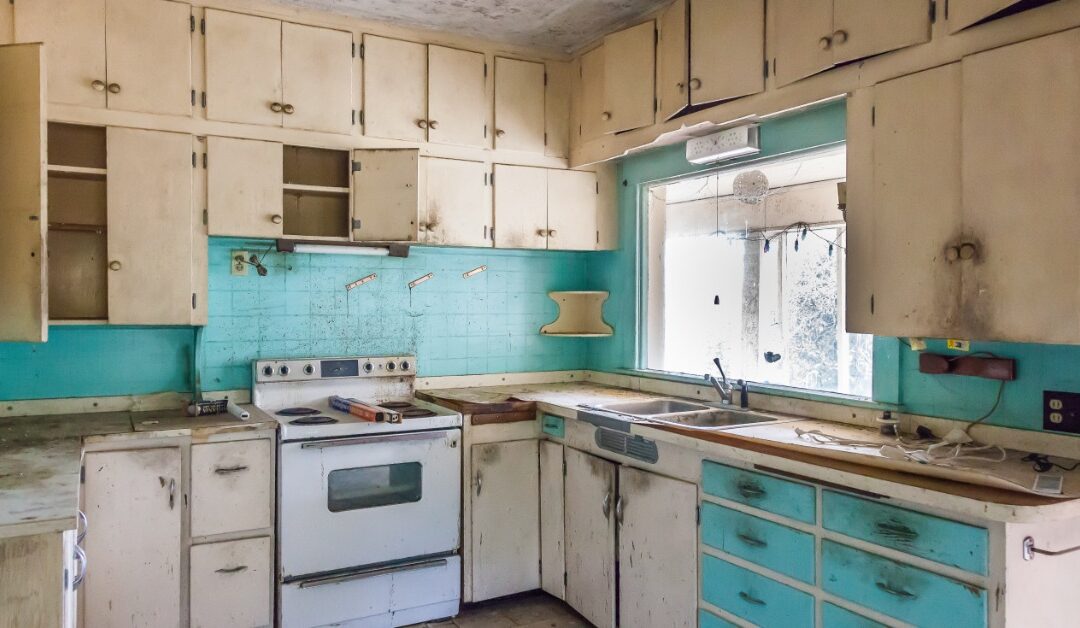
A distressed home can look like a problem to one buyer and a serious opportunity to another. Maybe the roof needs attention, the kitchen has seen better times, or the seller wants a fast closing that a bank cannot support. Investors who know how to read the numbers may see a path forward with hard money for distressed residential buys. Whether you want to repair and resell the home or hold it as a rental, this financing option can bridge the gap between purchase and profit.
What Distressed Residential Buys Mean
A distressed residential buy is a home with repair issues, financial pressure, or a seller who needs to move quickly. Some properties only need cosmetic updates, while others need major work. Investors consider these homes because the right repairs may create value, but a low price should always be weighed against the project’s true cost.
Repair Issues To Watch
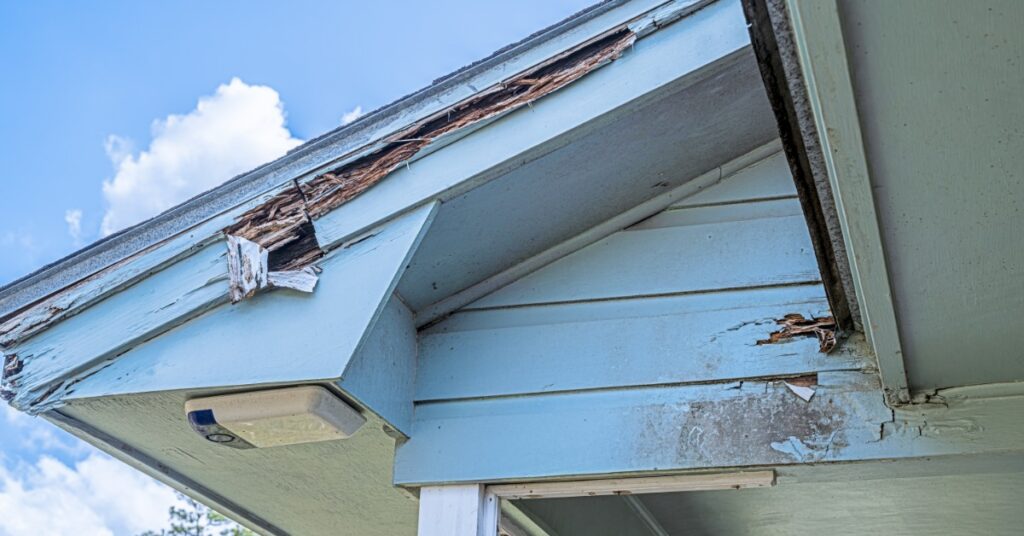
Distress can show up in several ways. The home may have roof damage, plumbing problems, outdated electrical systems, water damage, or missing fixtures. In other cases, the property may look fine at first, but still have title issues or vacancy concerns. Repairs may be worth making when the total project cost leaves enough room between the purchase price and the expected resale or rental value. Investors should compare repair estimates, nearby comparable sales, and holding costs before deciding whether the deal still works.
Why Investors Target Them
Investors may see opportunity where traditional buyers see too much work. A distressed home may have a strong location, a solid structure, or rental potential after repairs. Additionally, the discounted purchase price may create room for profit if the rehab budget and resale or refinance plan make sense.
The Necessity of Due Diligence
A low price should never be the only reason to buy a property. Investors should review repair estimates, inspection findings, comparable sales, holding costs, and financing terms before closing. Otherwise, a deal that looks affordable upfront may become much tighter once the full project cost comes into focus.
How Traditional Loans Fall Short
Traditional mortgage lenders usually prefer homes that meet certain condition standards. A distressed house may have repair issues that make the appraisal, insurance approval, or loan approval more difficult. If the home needs major work before it is livable, a conventional lender may not be the right fit.
Momentum also plays a major role in distressed residential deals. Sellers may compare offers based on how quickly and confidently prospective buyers can close. A cash buyer or private-money-backed investor may look stronger thanks to a clear funding path. On the other hand, a buyer relying on a slow bank process may lose.
Short Inspection or Bidding Windows
Distressed homes may come with tighter timelines than standard property purchases. A seller may want a fast offer because of financial pressure or vacancy issues, among other concerns. In some cases, investors may have only a short window to inspect the home, estimate repairs, and decide whether the deal works. As a result, buyers who line up financing early may feel better prepared to make a serious offer.
How Hard Money Financing Works
Private lenders tend to evaluate deals differently from conventional mortgage lenders. Because of that, hard money may suit investors who need faster, more flexible funding for buying distressed residential properties. This type of lending is usually asset-based, meaning the property plays a major role in the approval decision. The lender still reviews the borrower and the plan, but the home’s value, condition, and potential also carry a lot of weight.
Property Value
The lender looks at the home’s current value and its potential value after repairs. This helps show whether the deal has enough room to support the loan.
Purchase Price
The purchase price helps the lender compare what the investor is paying against the property’s condition and market value. A low purchase price may help, but the property still needs enough value after repairs to support the full investment.
Borrower Contribution
Most hard money loans require the borrower to bring money to the deal. This may include a down payment, closing costs, repair reserves, or other project funds.

Rehab Plan
The lender reviews the scope of work to understand what repairs the home needs. A clear rehab plan shows how the investor will improve the property and protect the project budget.
Exit Strategy
The exit strategy explains how the borrower plans to repay the loan. This may involve selling the home after repairs, refinancing it into a long-term loan, or another clear payoff plan.
Rehab Costs and Loan Planning
A distressed property’s biggest surprise usually hides inside the repair budget. Paint, flooring, and fixtures may be easy to price, but plumbing, electrical work, roof repairs, and structural issues can quickly raise the budget.
Borrowers should consider a home loan rehab when the property needs updates before it can be sold, rented, or refinanced. You can use this to fund repairs that make the home safer and more appealing to buyers or tenants. A rehab loan can make sense when the renovation work is a major part of the investment plan.
Prepare for Extra Costs
The repair budget is only one part of the total project cost. Investors should also plan for expenses that come up before, during, and after the renovation.
Before you make an offer, consider these line items:
- Closing costs may include title fees, recording fees, and other transaction expenses.
- Loan costs may include points, lender fees, and interest during the project.
- Insurance should stay active while the property is under repair.
- Utilities may need to stay on for contractors, inspections, and basic maintenance.
- Holding costs may include property taxes, maintenance, and payments while the home is being repaired.
Hard money can help when a distressed home needs both quick funding and a practical repair plan. A rehab loan offers investors a way to cover renovation-related work while keeping the project tied to a clear exit strategy. This works best when the borrower knows the scope of the repair, the timeline, and the likely value after the work is done.
In the right conditions, a distressed property is a golden opportunity. Hard money enables investors to move quickly, plan around repairs, and compete for homes that may not fit traditional lending standards. If you need a lending partner for a residential rehab project, contact BridgeWell Capital. We help investors like you secure fast, flexible funding.