
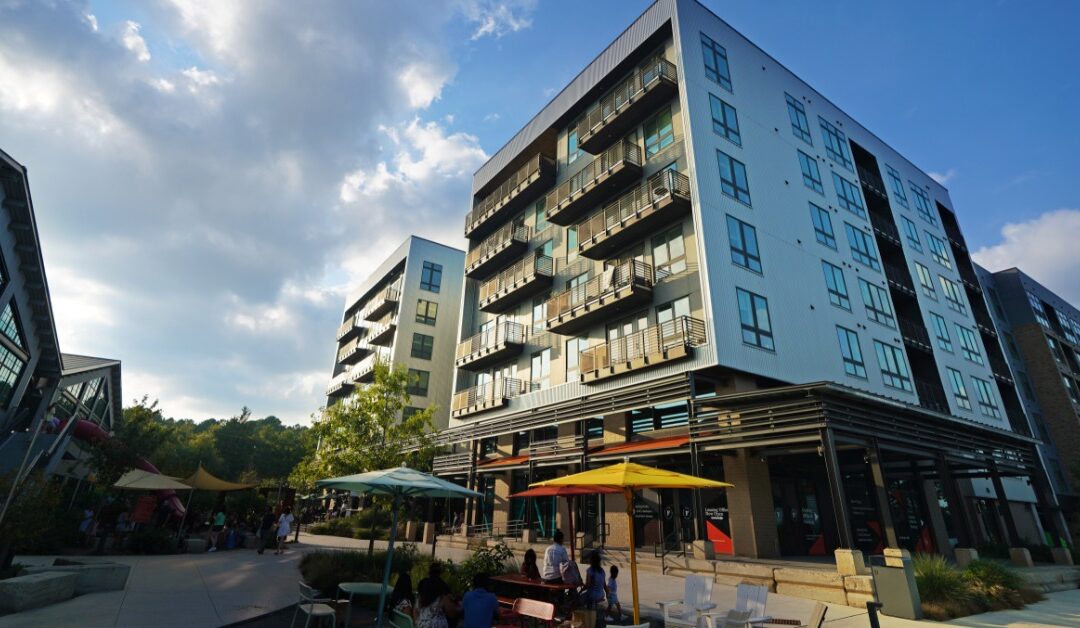
A mixed-use building can offer a lot in one deal: rental units, commercial space, and room to improve value over time. Still, that upside may come with rehab needs, uneven occupancy, older systems, or a storefront that needs the right tenant. Those challenges don’t have to stop a good investment, but they do need a financing plan that matches the work ahead. Small balance commercial loans for mixed-use buildings can bridge the gap between a property’s current challenges and the investor’s long-term plan.
One Property, Multiple Uses
A mixed-use building brings more than one purpose to the same property. It might combine retail, office, apartments, service space, storage, or other income-producing areas under one address. Because the property has multiple uses, the lender will need to review how each space functions and contributes to the overall investment.
That review may include current leases, vacancy, repair needs, and the income each space could produce after improvements. The clearer the plan, the easier it is for the lender to understand how the property supports the deal.
Confirm Allowed Uses
Zoning can shape what an investor can realistically do with a mixed-use building. A property may have several usable areas, but local rules may limit how those spaces can be occupied, rented, or changed. During the loan review, a lender may look for signs that the planned use is appropriate for the property and doesn’t pose additional risk.

Small Loans and Flexibility
Small balance commercial loans can finance mixed-use commercial buildings that are smaller than the large properties that many institutional lenders focus on. BridgeWell Capital offers commercial real estate loans from $150,000 to $2 million. That scale can make financing more accessible to investors who want to enter or expand in commercial real estate without taking on a large institutional project. While the loan size and property scale may be smaller, the planning still needs to account for several moving parts.
That’s especially true when the building earns income in different ways. A single property might include apartment, retail, and office rents, service space income, or storage income. Each source may have its own lease terms and vacancy risks. Because of that, a lender will usually assess how each space performs on its own before determining how the building as a whole supports the loan.
How Residential Units Support Income
Residential space can help support the loan when the units are leased and maintained. If units are vacant or outdated, the lender may want to understand repair costs and the timeline for renting them. Residential income may also help cover the property’s expenses while another space is being improved or re-leased.
During underwriting, the lender may review several residential-unit details, including:
- Occupancy, which shows whether the units are currently producing income.
- Rent history, which helps the lender understand how reliably tenants have paid.
- Unit condition, which shows what repairs or updates may be needed.
- Basic habitability, which helps confirm that the space is suitable for residential use.
Unique Needs of Commercial Spaces
Commercial spaces usually have more use-specific needs than residential units. A residential unit may need repairs to stay safe and rentable, while a commercial space may need the right layout, utilities, access, and buildout to support a business.
Those details can shape how the lender views the property. A well-maintained commercial space with a clear tenant use supports the loan by demonstrating income potential. If the space needs upgrades to attract or retain a tenant, the lender may want to see how the borrower plans to fund and complete the work.
Street-Level Lease Details
A long-term tenant with a clear payment history may support the numbers, while a short lease may raise questions about future income. Additionally, the type of business in the space can affect how easily the unit can be leased again. Investors should know the lease terms, renewal options, and current rent before they start the loan conversation.
Retail Space
Retail space usually depends on visibility and customer access. Because customers visit the space, the lender may look at the storefront, signage, windows, entrances, parking, and curb appeal.
Retail can add value when the location and layout support the business. However, a hard-to-see storefront, limited parking, or heavy buildout needs may affect the loan review. A lender may also consider how easily the space could attract a new tenant if the current one leaves.

How Investors Use Small Balance Lending
Small balance commercial lending can support several needs for smaller commercial or mixed-use properties. The right use depends on the property’s condition, the investor’s timeline, and the plan after closing. BridgeWell Capital is a direct lender with in-house capital, meaning borrowers work directly with the funding source rather than going through a broker. This streamlined process may help when a mixed-use deal needs quick review or flexible funding that accounts for several spaces under one roof
Here are the uses for small balance commercial loans:
- Purchase financing helps investors acquire a commercial or mixed-use property.
- Refinancing replaces an existing loan with new financing that may better fit the borrower’s current plan.
- Cash-out refinancing lets investors access built-up equity while keeping the property.
- Renovation financing helps fund improvements tied to an existing commercial property.
Rehab Credit Line Funding
At BridgeWell, distressed or shell-condition properties may qualify for a portion of the loan to be allocated to a rehab credit line. This means part of the funding can be set aside for approved repairs or improvements tied to the existing property. This flexibility can help investors address work that affects rentability, occupancy, property value, or the exit plan. Investors may want to consider this option when a mixed-use building has strong potential but needs repairs before every space can perform well.
Mixed-use properties can be rewarding because they combine multiple income sources into a single investment. However, the same features that create opportunity can also add complexity, especially when repairs, vacancies, leases, or buildout needs are involved. Small balance commercial loans for mixed-use buildings help investors secure funding that fits the property’s size and complexity. Reach out to BridgeWell Capital to discuss flexible financing for your mixed-use project.