
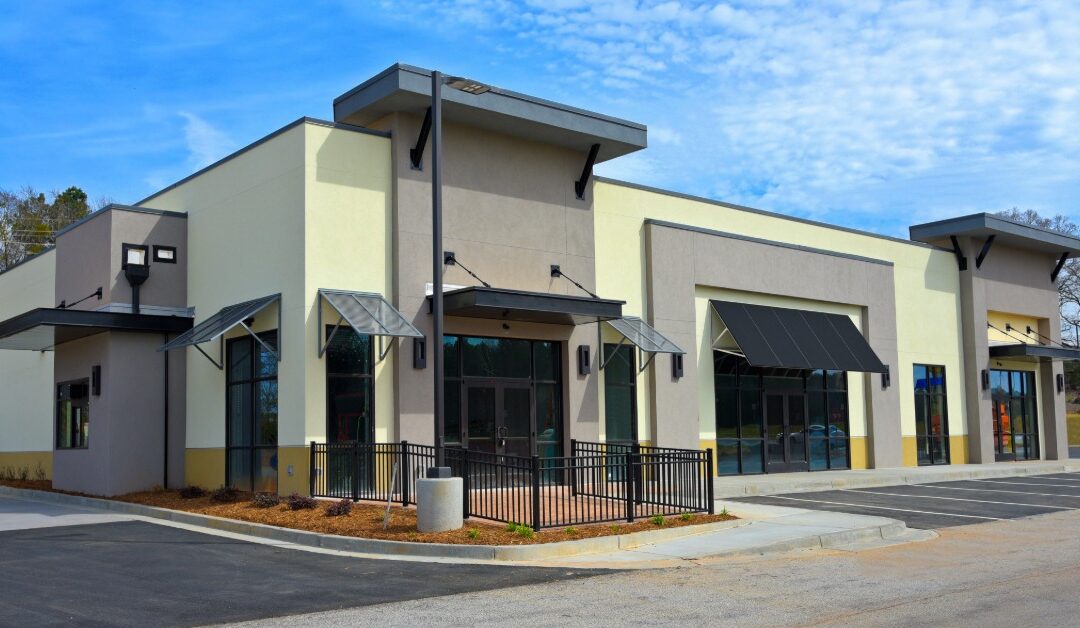
A half-finished building doesn’t scare a builder nearly as much as a funding delay. The right property may already have the bones, the location, and the potential to perform better, but the deal still needs capital for the work ahead. Builders choose small balance commercial loans to fund repairs without adding the delays and complexity that come with many traditional loan options.
Rehab Timelines Need Quick Funding
Smaller commercial rehab projects may involve mixed-use buildings, small multifamily properties, offices, retail spaces, or other existing properties that need repairs. Since purchase deadlines and contractor schedules move quickly, the financing needs to keep pace.
Traditional lenders may require lengthy review periods, detailed paperwork, and strict property condition requirements. That process can work for fully stabilized properties, but it may slow down a rehab deal. As a result, builders may seek financing options that offer greater flexibility.
Capital Matches the Scope
Some rehab projects do not need a large loan with layers of complexity. They need sufficient capital to cover specific repairs, updates, or improvements. Small balance commercial loans can match that kind of focused work without making the financing oversized for the project. Builders may choose small balance commercial loans when this option is more practical, manageable, and aligned with their goals.
Purchasing a Repair Property
A builder may find an existing commercial property with a strong location but clear repair needs. In that case, the purchase price is only part of the plan, because the building still needs work before it can be used. Commercial rehab financing can help support the acquisition while keeping the repair scope in view.
Renovating Existing Spaces
Some projects focus on improving a building by updating interiors, repairing systems, improving common areas, or making the space more usable for tenants or buyers. A smaller commercial loan provides the builder with capital to start those updates without waiting for a lengthy conventional loan process.
Preparing for Long-Term Financing
A property may need improvements before it can qualify for longer-term financing or attract a stronger exit option. Once the work is complete, the asset is better prepared for rental, refinance, or sale.

Simplified Rehab Planning
A solid rehab plan starts with clear numbers. Builders need to know the property cost, estimated repair cost, project timeline, and likely value after the work is complete. Commercial repair financing can help builders match the loan to the property’s condition and the work needed to improve it.
At the same time, builders should not rush just because funding may be available. They should compare contractor bids, review contingencies, and calculate how loan payments fit into the project timeline. Additionally, they should plan for delays or added repair costs before work begins.
Required Repairs vs Optional Upgrades
Budget control keeps a rehab project grounded. Builders should separate required repairs from optional upgrades before they finalize the loan request. That directs funding toward work that protects the property’s value, such as safety repairs, code-related fixes, or major functional updates. After that, the builder can decide which finish upgrades make sense for the market and exit plan.
Planning for Hidden Issues
Rehab planning can get tricky because older properties may reveal hidden damage, outdated systems, or higher repair costs after work begins. A loan based on the property and repair plan can help builders think through the full budget earlier, including possible contingencies. That makes it easier to spot funding gaps before closing and adjust the plan before surprises create bigger problems.
In-House Lending Support
Some lenders fund and make decisions directly, while others act more like brokers or intermediaries. A broker may collect the borrower’s information, package the deal, and send it to outside funding sources for approval. While this method can still work, it adds extra steps and makes communication less direct.
For a more direct financing process, use an in-house commercial hard money lender. Working with a team that handles the loan process internally can make it easier to ask questions, explain the project, and understand what the lender needs to move the file forward. This setup also minimizes confusion during the rehab process. When the lender knows the loan structure, property details, and funding requirements firsthand, conversations can stay focused and practical.
Here are the main details that help a lender understand the request:
- the purchase price, payoff amount, or refinance request
- the current property condition and repair needs
- contractor bids or a detailed rehab budget
- the estimated timeline for completing the work
- the planned exit, such as sale, rental, or refinance
More Control Over Timelines
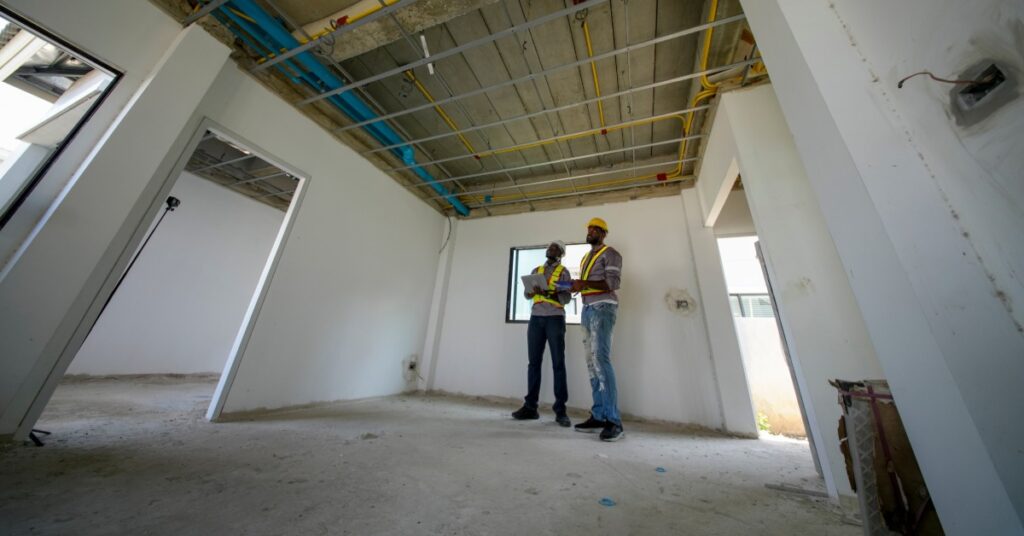
Rehab projects depend on timing as much as funding. A builder may need to close before another buyer steps in, schedule contractors while they are available, and keep repairs moving once the property is secured. Small balance commercial loans can help builders stay organized because the financing is tied to the project’s immediate needs. That gives the builder a better chance to coordinate the loan, the work, and the next step without losing momentum.
Closing Dates Stay Clear
A clear funding path helps builders approach closing with fewer surprises. When they know what the lender needs early, they can gather documents and answer questions before the deadline gets tight. This can make the purchase process feel more manageable. It also helps the builder avoid last-minute confusion that could slow down the deal.
Contractor Scheduling Gets Easier
Contractors may not have open availability for long. When financing moves at a practical pace, builders can plan repair work with more confidence. That makes it easier to line up labor, materials, and project start dates. As a result, the rehab plan has a better chance of moving forward on schedule.
Repair Work Moves Forward
Once the project starts, delays can affect the budget and the exit plan. Small balance commercial financing can help builders focus on the improvements needed right away. With funding connected to the rehab scope, the builder can keep the project moving toward sale, rental, or refinance.
Small balance commercial loans are a practical way to fund rehab work when timing, property condition, and loan structure do not fit neatly into conventional financing. BridgeWell Capital offers direct lending for qualified commercial rehab borrowers. These loans can support builders through acquisition, repairs, and repositioning with less friction. We invite you to share your project, budget, and timeline with us to explore the most effective funding options.