

Getting started with a rental property can feel overwhelming when you know what you want to achieve but are not sure which financing path makes sense. You may be trying to buy a property that needs work, tap equity from one you already own, or fund repairs that could improve rent potential and long-term value. In those moments, hard money options for residential rental investing can give borrowers a clearer path forward.
Cash-Out Refinance Loans
Cash-out refinance loans are for investors who already own the property. Instead of using the loan to buy something new, the investor taps into the equity in an existing investment property to free up cash they can use. That makes this option useful for owners who want to keep growing without selling a property they already have.
This type of financing can help with several goals at the same time. An investor might use the cash for a down payment on another rental, major upgrades, additional reserves, or other costs associated with the portfolio. Because of that, cash-out refinancing can be a smart choice for investors who want to put their existing equity to work.
Fix-and-Flip Loans
Fix-and-flip loans typically serve investors who plan to buy, renovate, and resell a property, but they still belong in a rental-investing conversation. Some rental investors consider this option when they need short-term funding to acquire and improve a property before moving to a longer-term rental loan. In that sense, the loan bridges the gap between the purchase and hold stages.
Loans for flipping houses make the most sense when the property needs enough work to rule out a standard mortgage at the start. It gives the investor a way to control the asset, complete repairs, and then decide whether to sell or refinance into a rental structure.
Buying a Property Fast
Speed is one of the biggest reasons investors consider a short-term rehab loan. When a distressed property draws multiple offers or the seller wants a quick closing, fast financing can make the deal more realistic. That timing advantage matters because a good rental opportunity does not always wait for a slow approval process.
Renovating Before Stabilizing
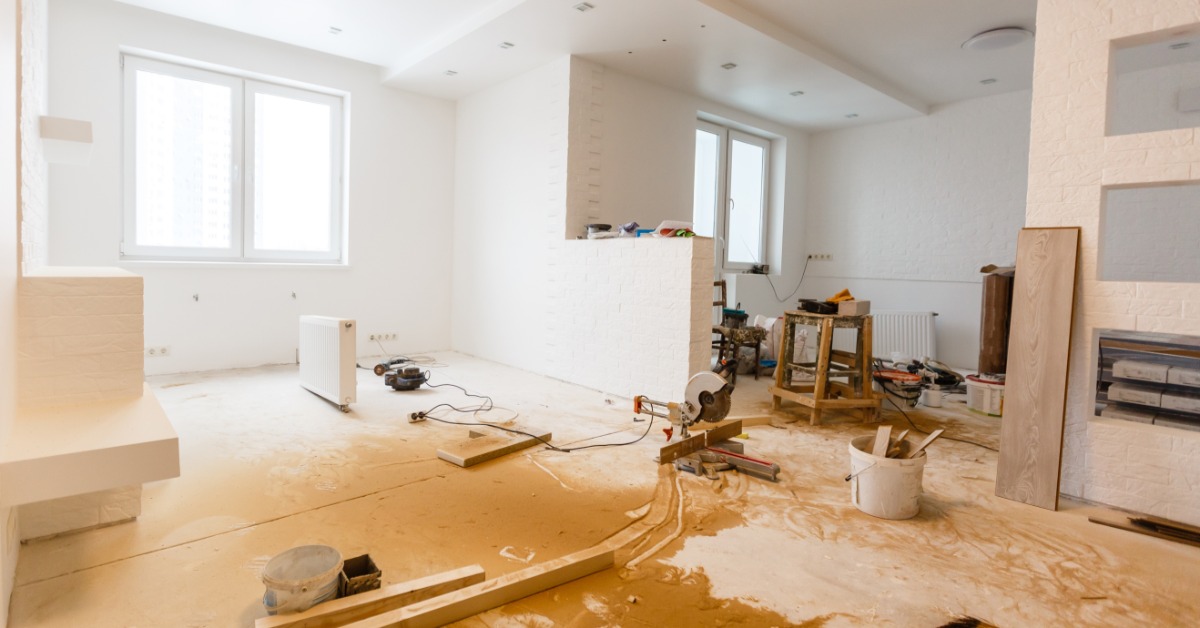
A property may have strong rental potential and still need major work before tenants would want to live there. In that case, a short-term rehab loan can help the investor fund the purchase and the improvements within the same overall strategy. That setup gives the property time to become livable, marketable, and better positioned for steady rental income.
Rehab-Only Loans
Rehab-only loans are another popular hard-money option for residential rental investments. They focus on the renovation side of the project rather than the original purchase. That means the investor already owns the property and needs funding to improve it without replacing the current acquisition loan. For residential rental investors, that can be a useful option when the property already sits in the portfolio but still needs meaningful work.
This loan type fits owners who want to improve a rental without overhauling the entire financing structure. Instead of replacing the whole loan, the borrower can direct funds toward repairs, updates, or value-add improvements.
Improving What You Already Own
Some rental properties need work after acquisition rather than before it. The owner may want to update kitchens, address deferred maintenance, improve curb appeal, or make units more competitive in the local rental market. Those improvements can make the property more attractive to tenants and support better long-term performance.
Financing Repairs Without a Full Refinance
A full refinance can feel unnecessary when the real issue is the property’s condition. Rehab-only financing gives the investor a way to tackle repairs while keeping the original purchase loan in place. That can simplify the capital stack and reduce disruption during the renovation phase. It also gives the investor a more targeted financing tool when the goal is improvement rather than a full restructuring.
What To Compare Before Choosing
Choosing between these loan types starts with looking closely at the deal itself, since each one fits a different stage or goal in the investment process. The property’s condition, the investor’s timeline, the amount of equity already available, and the planned scope of work all help shape which option makes the most sense.
Property Condition and Rehab Needs
The condition of the property should play a major role in the loan choice. A property that needs major repairs may call for a loan to cover renovation costs, while a property in better shape may not need that kind of financing. Investors should also consider whether the work is cosmetic, more extensive, or necessary before the property can realistically serve as a rental.

Timeline and Investment Strategy
The investor’s timeline also affects which financing option fits best. Some deals require a quick closing and a short-term plan, while others involve a longer hold and a slower path toward rental income. Investors should think through how fast they need to act, how long the work may take, and when they expect the property to be ready for the next phase. A loan usually works best when it supports both the immediate move and the longer-term strategy.
Existing Equity and Available Cash
Equity position matters most when the investor already owns a property and wants to use that value for another purpose. In that case, it helps to consider how much equity is available and whether using it would support the next investment move in a smart way. Investors should also review how much cash they already have for repairs, reserves, and closing costs before choosing a loan structure.
Common Financing Missteps
Hard money can help an investor move faster, but speed does not fix weak planning. Financing mistakes can put pressure on both cash flow and decision-making later in the project. At BridgeWell Capital, we help investors avoid these problems by talking through the deal, the property, and the purpose of the loan before anything moves forward.
These are frequent mistakes worth watching for:
- Choosing a loan type based on convenience instead of the actual investment plan.
- Underestimating repair costs or the time needed to finish renovations.
- Assuming a property will support rents that the market does not justify.
- Failing to plan how the loan will transition into a long-term hold strategy.
- Overlooking the full cash needed for down payment, closing costs, and ongoing project expenses.
Hard money can be a useful tool for residential rental investors who need flexibility, speed, or funding for a property that needs work. Each financing solution addresses different needs. BridgeWell helps investors make sense of their options and take the next step. Contact us for a loan that supports smoother renovations and stronger long-term results.