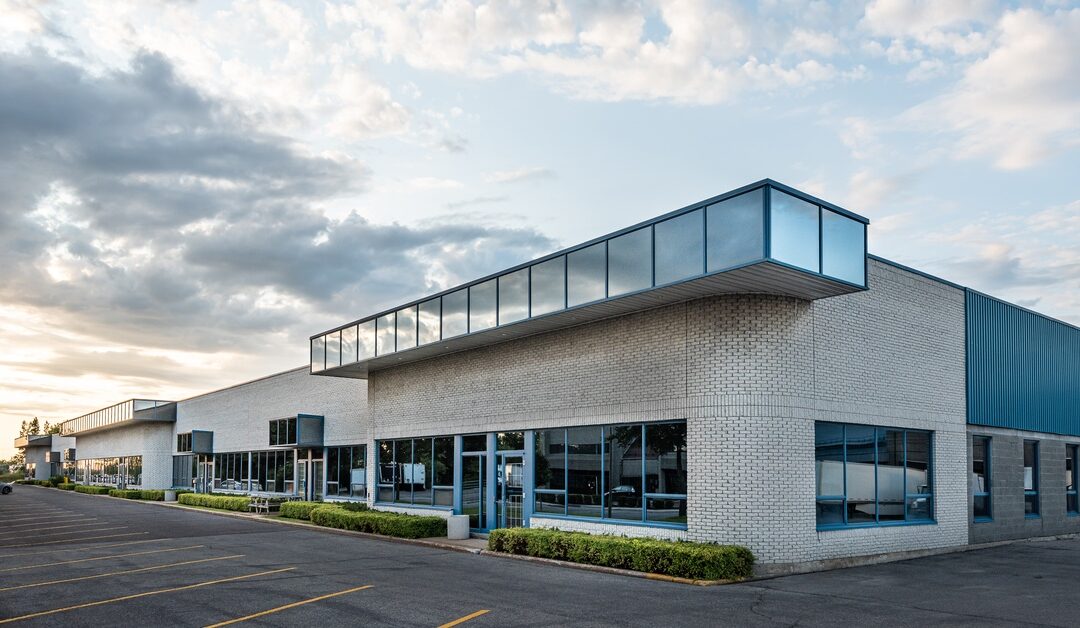
While a rough-looking property can scare off buyers who don’t want the work, investors may see the next profitable project. Fixing the property is one big piece of the project, but finding financing that fits the timeline and end goal can be just as important. Rehab contractors can use commercial home renovation lending to prepare residential properties for resale, rental, or refinance. Here’s how this type of financing works and how it can help contractors keep repair-heavy projects moving.
Commercial Home Renovation Loan Uses
This financing option can fund repairs on residential properties used for investment purposes. It may support projects like preparing a distressed home for resale, updating a rental before tenants move in, or improving an existing property before refinancing. The loan purpose should connect to a clear business plan, not a personal home improvement project.
Investors may also use this financing when a property needs work before it fits a longer-term strategy. For example, the loan may help cover approved repair costs while the contractor manages the project timeline and exit plan.
Fund Contractor Work
Property owners can use commercial home renovation lending to pay rehab contractors for approved improvements tied to an investment property. The borrower should expect the lender to care about the work being done, who will do it, and how that work supports the property’s next step. A clear scope with costs and priorities makes the loan review smoother.
A rehab loan can help owners pay contractors because:
Approved labor and material costs may be included in the financing.
Staged payments can give contractor payouts more structure.
Repair costs stay tied to the project scope.
Owners may rely less on personal cash reserves.
The funding can support progress toward resale, rental, or refinance.
Plan the Repair Scope
A repair scope gives the owner and lender a shared starting point. It should list the work needed, the estimated cost, and the expected order of repairs. Additionally, an accurate scope helps the owner compare the loan request against the real work required.
If the contractor’s bid says one thing and the borrower’s plan says another, payment timing may get messy. Therefore, owners should clean up those details before they seek financing or sign a construction agreement.
Compare Contractor Estimates
Detailed contractor estimates help owners connect the repair plan to the loan request. A lender may want to see what work needs funding, how much each part may cost, and how those repairs support the property’s resale, rental, or refinance plan. A short, unclear quote can make the project harder to review because it leaves too many questions about labor, materials, permits, and repair priorities.
Owners should compare more than just the final price before choosing a contractor. The estimate should line up with the requested loan amount, the draw schedule, and the project timeline. Keep in mind that a cheaper bid may end up costing more later if it omits major work or causes delays.
Document Contractor Progress
Some renovation loans release funds in stages, also called draws. Instead of receiving all rehab funds upfront, the borrower may request money as work gets completed and documented. This structure helps connect financing to visible progress on the property, giving both the owner and the lender a clearer way to track how the rehab funds are being used.
Owners should keep photos, invoices, receipts, inspection notes, and signed change orders in one organized place. Those records support draw requests and give the lender a clearer view of the project. They also help the owner track what the contractor has completed and what still needs attention.
Payment timing should also match the loan structure. If the contractor expects large upfront payments but the loan releases funds after progress, the owner needs to address that gap early. A direct conversation about deposits, draws, and milestones can reduce stress during the rehab.
Prepare for Cost Changes
Even a careful estimate may miss something hidden inside an older or distressed property. Water damage, outdated wiring, structural repairs, or permit issues may appear after work begins. Because of that, owners need a backup plan before the project budget gets tight.
These planning steps can help owners prepare for cost changes:
Add a practical contingency to the budget.
Review repair priorities before work begins.
Ask contractors about likely hidden issues.
Track change orders in writing.
Keep reserves outside the loan when possible.
A loan can help fund the project, but it shouldn’t replace disciplined budgeting. The owner still needs to watch spending, approve changes carefully, and protect the project’s end goal.
Match Funding to the Exit
The owner’s end goal shapes the loan conversation by showing how the project is supposed to make financial sense. In a fix-and-flip project, the owner may need to sell the property after repairs to repay the loan and realize a profit. In a rental project, the owner may need tenants and steady income to support the next financing step. In a refinance project, the improved property value and borrower qualifications help determine whether longer-term financing is realistic.
The owner should share that exit plan before choosing a loan structure. A short-term rehab project and a longer rental hold may need different repayment expectations. Therefore, the financing should match the project’s next step, not just the repair list.
Choose the Right Fit
The right funding fit starts with the property and the plan. Owners should look at the condition of the home, the contractor’s scope, the timeline, the required cash contribution, and the final goal. Those pieces help show whether the project has a practical path.
The lender’s role is to connect the borrower’s goals with the right rehab loan structure. They may walk through payment timing, documentation needs, and possible funding limits before the owner commits to the project. With that information, the owner can plan contractor payments with fewer surprises.
Renovation projects can feel exciting at first, especially when a tired property has obvious potential. Still, the work gets easier to manage when the owner knows who borrows the money, how contractor payments may work, and what the lender needs to review. Commercial-purpose renovation financing can help property owners fund repair-heavy residential projects. Contact BridgeWell to discuss financing options for your rehab project.
Owning the building your business operates from can give you more control, but it also adds new financial decisions. The right property needs to fit your budget, your customers, your team, and your long-term plans. Commercial loans for owner-occupied spaces provide business owners with a way to finance real estate directly tied to their operations. This guide breaks down what to know, so you’re more prepared for the lending process.
Ownership Changes Business Funding
Owning your workspace gives you a different kind of control than leasing. You’re not waiting on a landlord to approve improvements, renew terms, or respond when the building no longer fits your operations. Additionally, your monthly real estate cost may support an asset your business uses every day.
An owner-occupied commercial loan helps a business purchase, refinance, or improve a property it will use for its own operations. The lender needs to see that the building supports the business’s goals and has enough value to back the loan. Therefore, lenders look closely at both the business and the building.
How Owner-Occupancy Shapes Lending
Owner occupancy changes how lenders review the deal because the business itself is directly tied to the property. The lender wants to know how much space your company will use, how the property supports revenue, and what happens if your plans change.
The main details lenders review usually connect back to the property’s role in the business, including:
the percentage of the building your business will occupy
the type of business operating in the space
the property’s condition and current use
the borrower’s available down payment
the timeline for purchase, refinance, or repairs
Loan Fit Starts With the Property
The building itself does much of the heavy lifting in the loan review. A clean plan for commercial loans for owner-occupied spaces starts with the property type, condition, location, and intended use.
A lender may also assess whether the building works as-is or requires improvements before the business can operate smoothly. Repair needs may affect timing, the cash required at closing, and the loan structure.
Lenders Review Space Usage
Lenders want a clear picture of how the business will use the space after closing. That includes the owner’s occupancy, any tenant use, and the expected timing for moving into the building. Additionally, a borrower should be ready to explain whether the property needs updates before business operations begin.
Here are some different ways a building can be used:
Owner-occupied space shows that the business will use part or all of the building.
Tenant-occupied areas may bring in rental income, but lenders may also review lease terms, tenant stability, and how much of the property is leased.
Vacant portions may raise questions about carrying costs, future occupancy plans, and how soon the unused area may become productive.
Repair or rehab areas may affect timing, cash needs, and loan structure because the property may need work before it fully supports business use.
Mixed-use areas can make the review more detailed because office, retail, warehouse, or residential uses may each carry different considerations.
Cash Flow Supports Loan Payments
The building may secure the loan, but the business still needs enough cash flow to support the payment. Lenders may review revenue, expenses, existing debt, and the owner’s plan for covering real estate costs after closing. Additionally, they may consider the borrower’s down payment, which may start at around 20 percent and increase depending on the deal.
An owner-occupied business loan should fit into the company’s normal budget, not create pressure every month. If the new payment leaves too little room for payroll, inventory, utilities, or unexpected costs, the loan may be harder to support. A stronger plan shows that the business can cover the real estate cost while keeping daily operations steady.
Property Condition Shapes Financing
Some owner-occupied properties need updates before they truly work for the business. A roof issue, outdated interior, unfinished office area, or code-related concern may change how the lender views the file. Additionally, repair-heavy properties may not fit traditional financing timelines.
Borrowers should prepare these repair details before applying:
the estimated cost of required repairs
the contractor or vendor plan
the urgency of each improvement
the expected timeline for completion
the effect on business operations during work
Loan Terms Affect Flexibility
Loan terms affect more than the monthly payment. They also influence how much cash you need upfront, how quickly you can close, and how much flexibility you have after the purchase. Additionally, shorter-term financing may make sense when a property needs fast action before a longer-term plan comes together.
The right terms depend on your goal. Some borrowers want to stabilize the property and refinance later, while others want to secure a strategic location quickly. Therefore, the best conversation starts with the exit plan, not just the purchase price.
Down Payment Expectations
A larger down payment may help balance risk when the property has repairs, vacancy, or a complex use plan. It also gives the borrower more equity in the deal from the start. Additionally, borrowers should plan for closing costs, repair reserves, insurance, and early operating expenses. This cushion helps prevent the building purchase from draining cash the business still needs.
Choosing the Right Lender
The right lender should understand how owner-occupied commercial properties work, because the loan review involves both the real estate and the business using it. Before moving forward, borrowers should ask how the lender evaluates property condition, occupancy, repairs, down payment, and repayment ability. Additionally, it helps to ask early what documents are needed, since missing them can slow the process.
Property type is another important part of lender fit. Some lenders finance only certain commercial uses, while others may avoid specialized properties or buildings with complex occupancy plans. Therefore, borrowers should confirm property eligibility upfront and ensure the lender’s terms align with the purchase timeline and business needs.
Buying a commercial space for your own business can support growth, but the loan needs to fit the full picture. That means thinking through how you’ll use the building, what repairs may be needed, how much cash you’ll need upfront, and how the payment will work month to month. That preparation can help you choose loan terms that fit the property and the way your business runs. Contact BridgeWell Capital to talk through your owner-occupied financing needs.
A rental portfolio can start with one good property and slowly grow into a larger plan. After a few purchases, repairs, rent increases, and value gains, some of your wealth may sit inside the properties instead of in your bank account. A cash-out refinance for residential portfolios can become useful when you want capital for the next move without selling an asset. Take a closer look at this refinancing strategy to weigh the timing, risks, and practical uses.
Equity Can Support Growth
Equity builds when a property gains value, the loan balance drops, or both happen at the same time. In a residential portfolio, that equity may sit across single-family rentals, duplexes, triplexes, or other small residential assets. A cash-out refinance allows investors to access part of the built-up value while retaining ownership of the property.
However, having equity in a property doesn’t automatically mean refinancing is the right move. The new loan payment, closing costs, and interest costs should still fit the rental income and overall investment plan. Therefore, the goal of a cash-out refinance is to access capital to help the portfolio grow or remain stable, rather than to take out a larger loan without a clear purpose.
Residential investors may use cash-out funds to:
Fund repairs that make rentals safer, cleaner, or easier to lease.
Cover down payment funds for another rental property.
Update kitchens, bathrooms, flooring, or other high-use areas.
Pay off higher-cost debt tied to the investment portfolio.
Build reserves for vacancies, turnovers, or unexpected repairs.
How the Refinance Works
A refinance replaces the current mortgage with a larger new loan. At closing, the new loan pays off the existing mortgage balance and any eligible property liens. After closing costs and required payoffs are covered, the remaining proceeds are disbursed to the borrower as a lump sum.
The cash-out refinance for residential portfolios works best when the investor already knows how the funds will support the next step. That plan may involve repairs, acquisition costs, or liquidity for a project already in motion. Before getting a cash-out refinance, investors should map the funds to specific costs and timelines, so the money has a defined purpose.
Property Value Comes First
Property value plays a major role in determining how much equity may be available. Recent improvements, rental demand, condition, and local comparable sales can all influence how a lender views the asset. Additionally, investors should avoid assuming an online estimate reflects the number a lender will use. Instead, the lender may rely on an appraisal, broker price opinion, internal valuation, or comparable property sales to estimate the property’s current value.
Review the Full Portfolio
A residential portfolio isn’t just a group of addresses; it’s a system of income, expenses, repairs, debt, and timing. One strong property may help support a weaker one, but one overleveraged property may strain the rest. Therefore, investors should review the whole picture before deciding which asset to refinance.
The refinance should fit the portfolio’s cash flow rather than relying solely on future hopes. If rents already feel tight against expenses, a larger loan payment may create stress. Investors should also consider vacancy risk, upcoming repairs, insurance costs, and taxes before increasing debt.
Timing the Refinance
Timing affects how useful the refinance feels after closing. Investors may want to refinance after completing repairs, stabilizing rents, or improving the property’s overall performance. That timing may help the asset present a stronger case, depending on lender requirements and market conditions.
However, waiting too long can create its own issues when an investor needs fast capital for a time-sensitive deal. A private lender may help when speed and flexibility matter, especially for investors who can’t wait through a lengthy conventional process. BridgeWell Capital works with real estate investors who need practical lending conversations around purchases, refinances, and rehab-related goals.
Know the Cost Stack
A refinance involves more than the loan amount and the cash received at closing. Investors should look at the full cost stack, including the new payment, closing costs, interest, fees, title costs, escrow needs, and payoff details from the current loan. The cash-out amount may look useful upfront, but the real value depends on what remains after costs and how the new payment fits the portfolio.
Monthly Payment
The new monthly payment should align with the property’s rental income and regular expenses. Investors should account for taxes, insurance, maintenance, vacancy periods, and property management costs before deciding if the refinance is manageable. A higher payment may be worth it when the cash supports repairs, another purchase, or stronger reserves. Still, the portfolio should have enough room in the budget to handle the new loan without creating extra pressure.
Closing Costs
Closing costs reduce the amount of cash the investor receives. These costs may include lender fees, title fees, recording fees, appraisal-related costs, and other transaction expenses. Investors should request a clear estimate before moving forward to understand the difference between gross loan proceeds and net cash received. That number gives a more realistic view of how much capital will be available.
Existing Payoffs
The new loan must pay off the current mortgage balance before cash can go back to the borrower. Any eligible property liens or required payoffs may also reduce the final proceeds. Therefore, investors should confirm payoff amounts early instead of relying on rough estimates. Accurate payoff details prevent surprises at closing and make it easier to plan how to use the remaining cash.
Watch the Risk Points
Taking cash out of a residential property means borrowing against some of the equity you’ve built. That money may help fund repairs, buy another property, or strengthen the portfolio. However, it also leaves less equity in the property if values drop or rental income slows. Keeping some of the cash proceeds or other funds in reserve after closing provides the investor with funds to cover vacancies, repairs, or unexpected costs.
Investors can lower risk by doing the following:
Leave enough equity in the property so the portfolio has room to handle market changes.
Keep cash reserves available for vacancies, turnovers, repairs, or insurance increases.
Avoid borrowing the maximum amount if the larger payment would strain rental cash flow.
Compare the new loan payment against the property’s income after normal expenses.
Use the funds for a clear purpose, such as repairs, reserves, or another planned investment.
A cash-out refinance can turn built-up equity into a tool for the next stage of a residential portfolio. The best results usually come from a clear plan, realistic property values, and a careful look at the new loan payment. Instead of viewing the refinance as quick cash, investors should treat it as a strategic move tied to specific investment goals. BridgeWell Capital can help investors talk through refinance options when they need practical funding for real estate opportunities.
A mixed-use building can offer a lot in one deal: rental units, commercial space, and room to improve value over time. Still, that upside may come with rehab needs, uneven occupancy, older systems, or a storefront that needs the right tenant. Those challenges don’t have to stop a good investment, but they do need a financing plan that matches the work ahead. Small balance commercial loans for mixed-use buildings can bridge the gap between a property’s current challenges and the investor’s long-term plan.
One Property, Multiple Uses
A mixed-use building brings more than one purpose to the same property. It might combine retail, office, apartments, service space, storage, or other income-producing areas under one address. Because the property has multiple uses, the lender will need to review how each space functions and contributes to the overall investment.
That review may include current leases, vacancy, repair needs, and the income each space could produce after improvements. The clearer the plan, the easier it is for the lender to understand how the property supports the deal.
Confirm Allowed Uses
Zoning can shape what an investor can realistically do with a mixed-use building. A property may have several usable areas, but local rules may limit how those spaces can be occupied, rented, or changed. During the loan review, a lender may look for signs that the planned use is appropriate for the property and doesn’t pose additional risk.
Small Loans and Flexibility
Small balance commercial loans can finance mixed-use commercial buildings that are smaller than the large properties that many institutional lenders focus on. BridgeWell Capital offers commercial real estate loans from $150,000 to $2 million. That scale can make financing more accessible to investors who want to enter or expand in commercial real estate without taking on a large institutional project. While the loan size and property scale may be smaller, the planning still needs to account for several moving parts.
That’s especially true when the building earns income in different ways. A single property might include apartment, retail, and office rents, service space income, or storage income. Each source may have its own lease terms and vacancy risks. Because of that, a lender will usually assess how each space performs on its own before determining how the building as a whole supports the loan.
How Residential Units Support Income
Residential space can help support the loan when the units are leased and maintained. If units are vacant or outdated, the lender may want to understand repair costs and the timeline for renting them. Residential income may also help cover the property’s expenses while another space is being improved or re-leased.
During underwriting, the lender may review several residential-unit details, including:
Occupancy, which shows whether the units are currently producing income.
Rent history, which helps the lender understand how reliably tenants have paid.
Unit condition, which shows what repairs or updates may be needed.
Basic habitability, which helps confirm that the space is suitable for residential use.
Unique Needs of Commercial Spaces
Commercial spaces usually have more use-specific needs than residential units. A residential unit may need repairs to stay safe and rentable, while a commercial space may need the right layout, utilities, access, and buildout to support a business.
Those details can shape how the lender views the property. A well-maintained commercial space with a clear tenant use supports the loan by demonstrating income potential. If the space needs upgrades to attract or retain a tenant, the lender may want to see how the borrower plans to fund and complete the work.
Street-Level Lease Details
A long-term tenant with a clear payment history may support the numbers, while a short lease may raise questions about future income. Additionally, the type of business in the space can affect how easily the unit can be leased again. Investors should know the lease terms, renewal options, and current rent before they start the loan conversation.
Retail Space
Retail space usually depends on visibility and customer access. Because customers visit the space, the lender may look at the storefront, signage, windows, entrances, parking, and curb appeal.
Retail can add value when the location and layout support the business. However, a hard-to-see storefront, limited parking, or heavy buildout needs may affect the loan review. A lender may also consider how easily the space could attract a new tenant if the current one leaves.
How Investors Use Small Balance Lending
Small balance commercial lending can support several needs for smaller commercial or mixed-use properties. The right use depends on the property’s condition, the investor’s timeline, and the plan after closing. BridgeWell Capital is a direct lender with in-house capital, meaning borrowers work directly with the funding source rather than going through a broker. This streamlined process may help when a mixed-use deal needs quick review or flexible funding that accounts for several spaces under one roof
Here are the uses for small balance commercial loans:
Purchase financing helps investors acquire a commercial or mixed-use property.
Refinancing replaces an existing loan with new financing that may better fit the borrower’s current plan.
Cash-out refinancing lets investors access built-up equity while keeping the property.
Renovation financing helps fund improvements tied to an existing commercial property.
Rehab Credit Line Funding
At BridgeWell, distressed or shell-condition properties may qualify for a portion of the loan to be allocated to a rehab credit line. This means part of the funding can be set aside for approved repairs or improvements tied to the existing property. This flexibility can help investors address work that affects rentability, occupancy, property value, or the exit plan. Investors may want to consider this option when a mixed-use building has strong potential but needs repairs before every space can perform well.
Mixed-use properties can be rewarding because they combine multiple income sources into a single investment. However, the same features that create opportunity can also add complexity, especially when repairs, vacancies, leases, or buildout needs are involved. Small balance commercial loans for mixed-use buildings help investors secure funding that fits the property’s size and complexity. Reach out to BridgeWell Capital to discuss flexible financing for your mixed-use project.
A strong commercial deal rarely waits around while a lender sorts through paperwork. Investors may find the right property, negotiate a workable price, and still lose ground if financing moves too slowly. That’s why it’s useful for buyers to compare bridge loans and traditional commercial financing. Knowing the difference helps you choose financing that fits the deal’s timeline, property condition, and exit strategy.
Fast Financing Decisions
Bridge loans provide real estate investors with short-term financing when timing is critical. A borrower may use this type of loan to buy a property, refinance existing debt, or improve an asset before moving into longer-term financing. Because bridge loans rely heavily on the property and exit plan, the underwriting process typically moves faster than bank loans.
Traditional commercial financing usually follows a longer review process. Banks and conventional lenders typically examine credit history, tax returns, income, leases, property condition, and broader borrower strength. That deeper review can work well for stable properties, but it may not fit every urgent opportunity.
Traditional Loan Structure
Traditional commercial loans usually fit stabilized assets with predictable income. A lender may want to see clean financials, a steady rent roll, and sufficient historical performance to support the loan request. Additionally, the property must meet conventional lending standards before closing, which may be more challenging if the asset requires repairs or repositioning.
A bridge loan may be a better fit when the property is still in transition. The building might need repairs, additional tenants, repositioning, or a faster closing than a bank can handle. Because the loan is short-term, borrowers also need a clear plan for paying it off, usually through a sale or refinance.
Speed and Deal Timing
Timing can shape which financing path makes the most sense. A seller may favor a buyer who can close quickly, especially when several offers look similar. In that situation, compared with traditional commercial financing, bridge loans may help investors compete.
Here are a few situations where timing may push borrowers toward a bridge loan:
A seller wants a faster closing date.
A property needs repairs before bank financing.
A borrower needs short-term acquisition funding.
A refinance must happen before a deadline.
A deal involves a property with limited operating history.
Underwriting Priorities
Bridge loan underwriting typically focuses on the asset, the borrower’s plan, and the property’s potential after financing closes. The lender still reviews borrower strength, but the property plays a central role. That approach may help when the deal has strong collateral but doesn’t fit a bank’s usual box.
Traditional commercial financing usually places a heavier weight on income history and borrower documentation. Lenders may want detailed records that show the property can support the debt over time. Consequently, this path may work better once the property has stable occupancy, reliable revenue, and fewer repair concerns.
Asset Strength
The asset is the property being used to support the loan. In bridge loan underwriting, lenders assess the current condition, location, value, and overall usefulness of the collateral. A property may still qualify even if it needs work, but the lender needs to understand its current value and the risks it entails.
Borrower’s Plan
The borrower’s plan explains what will happen after the loan closes. This may include repairs, lease-up, resale, refinance, or another clear next step. A clear plan helps show that the loan supports a realistic project, not just a rushed purchase. Lenders want to see that the borrower has thought through the timeline, budget, and repayment path.
Future Property Potential
Future property potential looks at what the asset may become after the borrower completes the plan. A lender may consider whether repairs could improve value, whether new tenants could strengthen income, or whether repositioning could make the property easier to refinance. This part of underwriting connects the current property to its next phase. It helps the lender decide whether the deal makes sense beyond the closing date.
Property Condition Differences
Property condition can separate these financing options quickly. Traditional lenders may hesitate when a building has major repairs, incomplete units, deferred maintenance, or limited current income. Bridge financing may offer a path forward when the borrower has a plan to improve the asset.
Investors who want to buy and renovate properties for resale can use loans for flipping houses. At BridgeWell Capital, we offer fix-and-flip loans with 20% of the rehab budget available upfront, helping investors start work without waiting to access the remaining funds later. We also don’t charge interest on undrawn rehab funds, so borrowers only pay for the rehab capital they’ve actually used.
Cost and Loan Fit
Bridge loans usually cost more than traditional commercial loans because they solve a different problem. They give borrowers access to shorter-term capital when speed, flexibility, or property condition creates friction. The higher cost may still make sense when the loan helps protect a profitable opportunity.
Traditional commercial financing may offer lower rates and longer repayment schedules. However, those advantages matter most when the borrower has sufficient time, and the property meets the lender’s requirements. A cheaper loan that arrives too late may not help much if the deal disappears.
Exit Strategy Planning
A bridge loan needs a practical exit strategy. The borrower may plan to sell the property, refinance into a traditional commercial loan, increase rents, finish repairs, or stabilize occupancy. Each path needs realistic timing because short-term financing doesn’t leave much room for vague planning.
Traditional commercial financing may serve as the exit after the property improves. Once income, condition, and documentation look stronger, a borrower may qualify for a loan with longer terms. Therefore, the bridge loan may act as a temporary step rather than the final financing solution.
Common Exit Paths
A strong exit path should connect directly to the asset’s business plan. If the plan involves repairs, the borrower should know the scope, budget, and timeline before closing. If the plan involves refinancing, the borrower should understand what the next lender will likely require. Clear planning helps ensure the financing supports the deal rather than creating pressure later. When weighing your financing options, make sure the bridge structure provides the project with a clear path from closing to repayment or refinancing.
Compared to traditional commercial financing, bridge loans offer greater flexibility. They can help with fast closings, transitional assets, and projects that need improvement before a refinance or sale. Traditional financing may still play a role later, but it may not be appropriate for the early stage of the deal. The key is to use bridge financing with a clear plan for what happens next.