
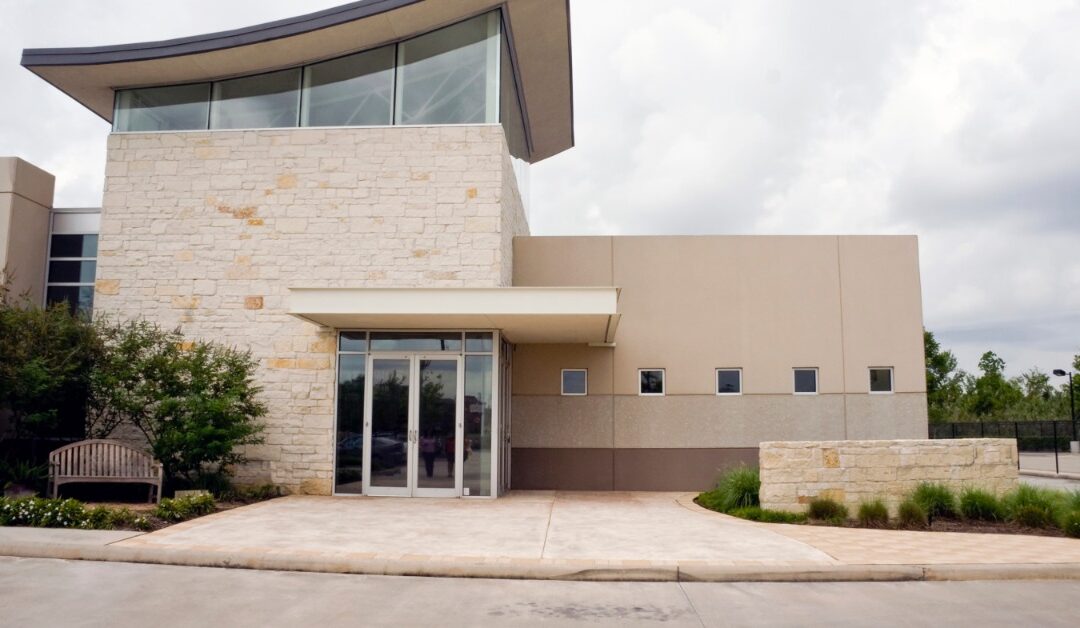
A business may reach a point where its leased space no longer fits its day-to-day operations or future plans. When that happens, buying the property where the company operates may become worth considering. Owner-user commercial real estate offers buyers many potential benefits, including greater control over the property and opportunities to build equity. Take a closer look at these advantages to decide whether ownership fits into your business’s broader goals.
Build Equity
Lease payments generally cover the right to use a property for a set period, while mortgage payments may contribute toward ownership of an asset. As the loan balance is paid down, the business owner can gradually build equity in the property. Over time, that equity may become part of the company’s broader financial position.
Owning the property also gives buyers an asset that exists separately from the operating business. Its value can rise or fall based on market conditions, property condition, and other factors. For that reason, buyers should weigh the potential long-term value of ownership against the ongoing costs of maintaining commercial real estate.
Create a Long-Term Business Asset
A commercial property can continue serving the business even as operations change over time. Depending on future needs, the owner may keep using the building, sell it later, or incorporate it into a broader business or succession plan. That gives the property a role beyond simply providing a place to work. For some buyers, it can become an important part of a longer-term asset strategy.
Gain More Control Over Your Space
Leasing a commercial property means some decisions remain in the landlord’s hands. Businesses may have limited say over maintenance schedules, building access, exterior signage, or when certain repairs and upgrades are completed. Those limits can be frustrating when property decisions affect daily operations.
For buyers, one of the best benefits of owner-user commercial real estate is having more direct control over the property they occupy. Owners can make many decisions based on their own business priorities instead of relying on a landlord’s timeline or approval process. Zoning, permits and other requirements still apply, but ownership can give the business greater authority over how the property is managed.
Customize Space for Business Operations
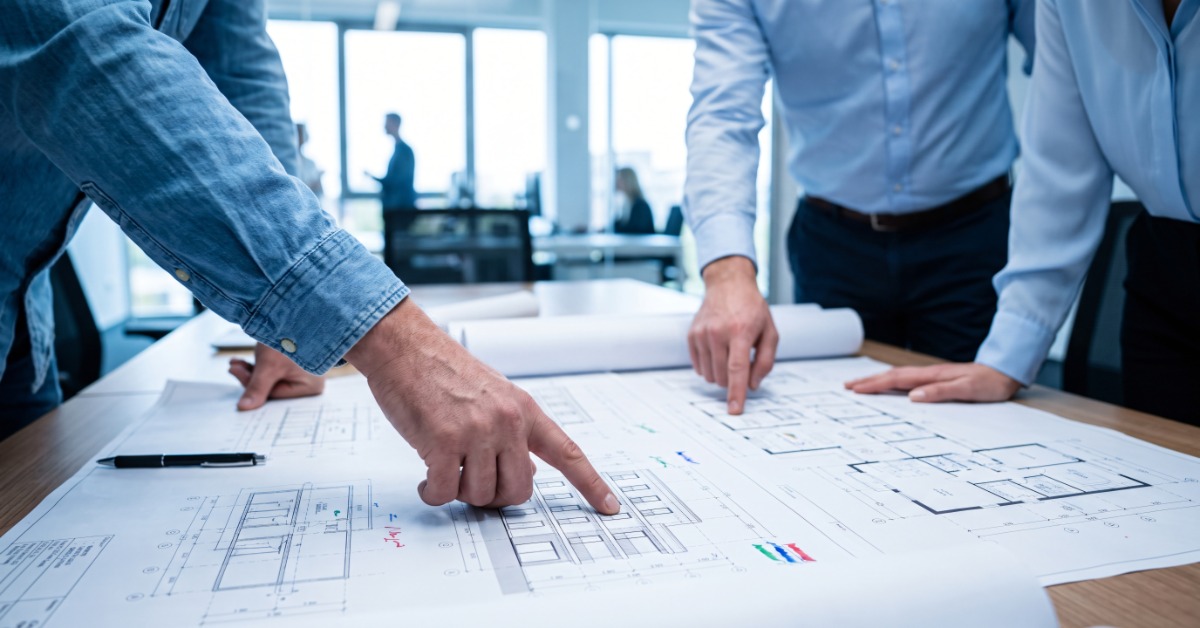
An owner-user property can give a business more freedom to create a space that supports its day-to-day needs. That may include adding storage or improving spaces used by customers and employees. Buyers may choose to work with a commercial hard money lender when financing an existing property and related improvements. This lets you consider the purchase and renovation plan together from the start.
Reconfigure Space Around Daily Workflows
A commercial property layout can affect how efficiently employees and materials move through the building. An owner-user may be able to reconfigure areas so the space better supports day-to-day operations. That could mean creating more functional work zones or improving how spaces connect. Because the business owns the property, it can plan these changes around its own operational priorities rather than a landlord’s preferences.
Add Space for Equipment and Storage
Some businesses need more room for equipment as they grow. An owner-user property can provide opportunities to add storage areas or dedicate certain parts of the building to specialized equipment. These changes can make it easier to keep essential materials and tools close to where they’re used.
Improve Customer and Employee Areas
An owner-user can shape customer areas to feel more accessible while creating workspaces that better support employees and their daily tasks. A retail business might widen aisles or adjust displays so customers can move through the space more easily. An office-based company might create quieter work areas or add meeting rooms that foster collaboration. Since the business controls the property, it can make those upgrades with its own customers and staff needs in mind.
Support Future Business Expansion
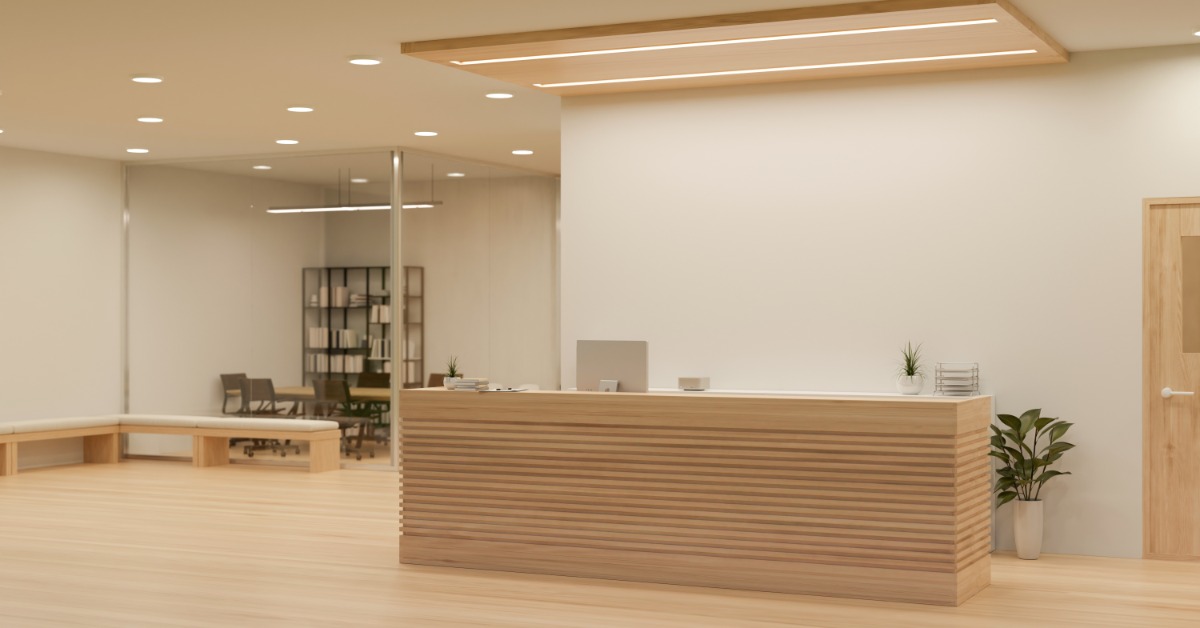
Business growth can create new space requirements as a company hires employees, adds equipment, carries more inventory, or serves more customers. An owner-user property can give buyers room to plan for these changes before the business reaches the limits of its current space.
A property doesn’t have to be fully occupied by the business on the day it’s purchased. Unused rooms or other underutilized areas can provide space for people and equipment. Buyers can consider factors such as available floor space, access points, parking, and other property features before purchasing.
Benefit From Potential Property Appreciation
Commercial real estate may increase in value over time, although appreciation isn’t guaranteed. Location and improvements can all influence what a building is worth. Buyers should view appreciation as a possible benefit, not an expected outcome.
Improvements made for business operations can also affect the property’s future usefulness and marketability. Some upgrades may appeal to future buyers, while highly specialized changes may mainly serve the current business. Viewing improvements through both an operational and property-value lens can lead to more informed decisions about where to invest.
Build a Longer-Term Occupancy Strategy
Owning a commercial location allows a business to plan beyond the expiration date of its next lease. Instead of making property decisions around a rental timeline, the company can focus on longer-term operating goals. That can make it easier to plan equipment installations and future use of the space.
Long-term ownership also comes with responsibilities tenants may not ordinarily manage themselves. Property taxes, maintenance, and major building systems become the owner’s responsibility. Comparing those obligations with the added control and flexibility of ownership can give buyers a more complete picture of what the commitment involves.
Buying the property your business occupies is a long-term decision, not just a financing choice. The right property should support current operations while leaving room for the company to adapt over time. Before moving forward, buyers should closely review the building itself, expected ownership costs, and how well the property fits future plans. If owner-user ownership fits your business plans, BridgeWell Capital can finance qualifying commercial properties. Contact us to explore financing that can move your business from leasing a space to owning one.