

A house that looks outdated or neglected can be easy to picture after a fresh renovation, but getting from purchase to resale involves a lot of moving parts. Repair costs, neighborhood demand, financing, and timing can all affect whether a potential flip fits your investment plan. Before investing in a house to flip, it’s worth thinking through the factors that can shape the project from purchase to resale. These eight considerations clarify the planning, costs, and decisions involved.
Assess the Property’s Current Condition
Before estimating profits, look closely at what the house needs right now. Cosmetic updates may be straightforward, while structural problems or aging systems can significantly change the project’s scope and cost. A thorough review can also show whether the property fits your budget, experience, and renovation capacity.
The house’s condition may also affect how quickly work can begin after closing. Some properties require additional inspections, specialized contractors, or permits before major repairs can move forward. Identifying those requirements early makes it easier to build a realistic plan instead of relying on surface-level estimates.
Estimate the Renovation Scope
Once you understand the property’s condition, consider the work needed to prepare it for resale. When investing in a house to flip, the renovation scope can influence your budget, timeline, contractor needs, and expected sale price. Separating essential repairs from optional upgrades keeps the project focused on improvements that fit the home and the local market.
Start with work that affects safety, function, or basic livability before moving on to cosmetic changes. Then consider what buyers in the area are likely to expect and whether those upgrades make sense for the projected resale value.
Research the Local Housing Market

A strong renovation still needs to make sense for the market where you’ll eventually sell the property. Look at local sales activity, typical home prices, buyer expectations, and how renovated properties compare with homes that need work. Those details can give you a better sense of how much time and money may be reasonable to invest in the house.
It’s also worth considering how the financing timeline lines up with the expected renovation and resale period. A project that takes longer than planned may add holding and financing costs. Reviewing the market before closing can make those timing assumptions more realistic.
Calculate the Full Project Budget
The purchase price and renovation estimate are only part of what it costs to complete a flip. Investors may also need to account for financing, ownership, transaction, and selling expenses throughout the project.
Your total project budget may include expenses such as:
- purchase and closing costs
- contractor labor and materials
- permit and inspection fees
- loan interest and financing costs
- property taxes and insurance
- utilities during renovation
- real estate commissions
- selling and closing expenses
Build a Contingency Into Costs
Even a detailed renovation estimate can’t account for every problem that may appear once work begins. A contractor might uncover hidden water damage, outdated wiring, damaged framing, or another issue that wasn’t visible during the initial inspection. Leaving room in the budget for unexpected expenses can keep one surprise from disrupting the entire project.
Treat that contingency as part of the project budget, not money for optional upgrades. If unexpected work comes up, you’ll have more flexibility to adjust the plan without immediately looking for additional capital. If the reserve goes unused, the project simply finishes with more financial breathing room.
Set a Realistic Renovation Timeline
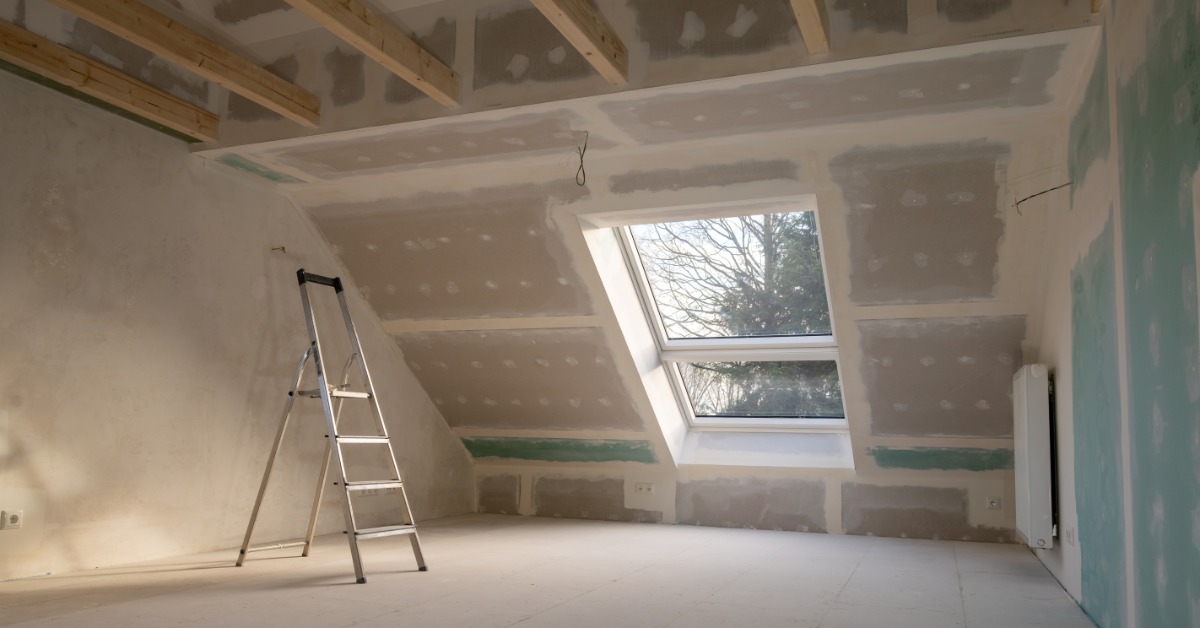
A flip may take longer than the physical repair work alone suggests. Permits, inspections, contractor schedules, material delivery times, and weather can all affect when each phase starts and finishes. Since delays may extend financing and holding costs, it’s wise to build some flexibility into the schedule.
The order of the work matters, too. Structural, electrical, plumbing, and mechanical repairs often need to happen before many finishing tasks can begin. Planning those dependencies in advance makes it easier to see where a delay in one area could affect the rest of the renovation.
Create Milestones Before Work Begins
Breaking the project into milestones gives you clearer checkpoints for both progress and spending. Those milestones might cover demolition, major system repairs, inspections, interior finishes, exterior work, and final cleanup. Compare progress with the planned schedule to identify delays before they become harder to manage.
Choose Financing That Fits the Deal
The financing structure should match the purchase price, renovation plan, available cash, and expected exit. Some investors use short-term loans for flipping houses to finance properties that need repairs before they’re ready for resale or longer-term financing.
It’s best to consider financing before making an offer so you know what types of deals fit your available funds and project needs. A competitive purchase may require a faster closing, while a larger rehab may need financing that can cover more extensive work. Evaluating those requirements early can make it easier to pursue properties that align with your budget, renovation plan, and timeline.
Plan Your Exit Before Buying
A flip should have a clear end goal before you close. Most investors plan to renovate and sell, but the expected sale price, selling timeline, and market conditions can change while work is underway.
Your exit plan should also influence decisions made during the renovation. Improvements that fit the likely buyer and neighborhood may be more practical than upgrades chosen without regard to the resale market. Keeping the end goal in mind can make it easier to decide where to spend, where to limit costs, and when the property is ready to list.
Consider More Than One Exit
A backup plan can help if the property doesn’t sell as quickly or at the price you expected. Depending on the property and your circumstances, alternatives might include holding it longer or refinancing it as a rental. You may also need to adjust the resale strategy if market conditions shift.
A successful flip depends on making disciplined decisions before and during the renovation. Look for deals where the numbers still make sense even if the project doesn’t go exactly as planned. Staying flexible with the budget, schedule, and exit strategy can make it easier to respond when conditions change. With the right preparation, you’ll have a clearer basis for deciding whether a property is worth pursuing.