
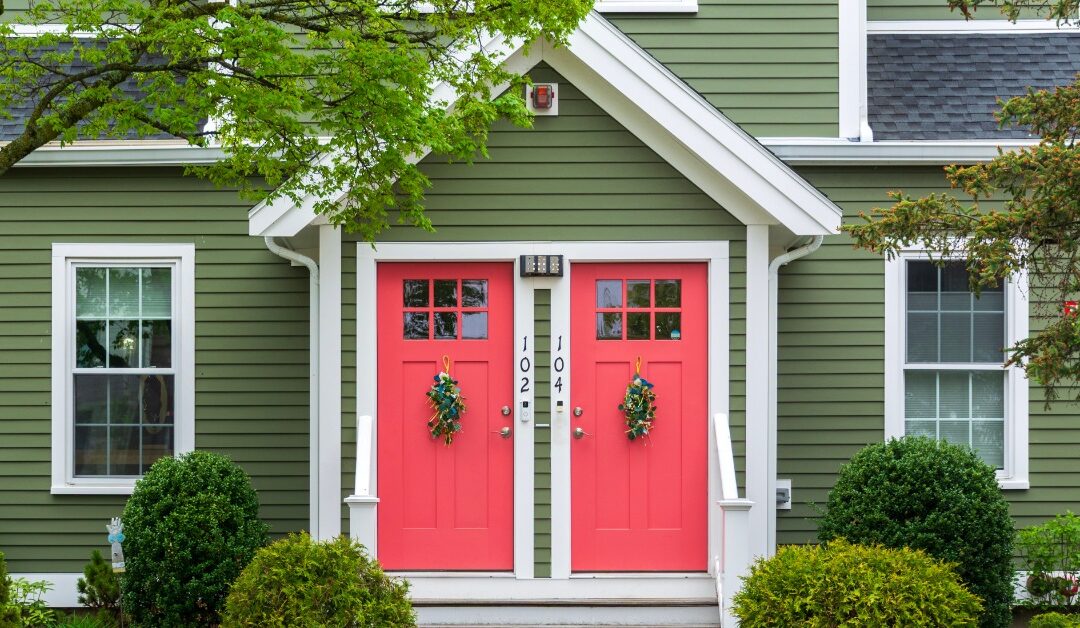
Buying one property with several rental units can seem like an efficient way to grow a real estate portfolio. Yet more units can also mean higher upfront costs, added management responsibilities, and more financial variables to track. Determining if investing in a multifamily property is right for you means looking beyond the number of units and considering how the investment aligns with your experience and long-term goals. The factors below can give you a clearer sense of what multifamily ownership may involve before you commit to a property.
Clarify Your Investment Goals
Before comparing properties, think about what you want the investment to accomplish. Your priorities may shape the type, size, and condition of the multifamily property that makes sense for you.
With a multifamily investment, your goal may be to:
- Generate steady rental income.
- Build long-term equity.
- Improve property value through renovations.
- Increase occupancy or rental rates.
- Diversify a real estate portfolio.
- Expand into larger investment properties.
Evaluate Your Financial Readiness
A multifamily purchase usually requires capital beyond the property’s purchase price. You may need to account for the down payment and closing costs first, followed by reserves, repairs, and early operating expenses. Looking at the full financial commitment is an important step when deciding whether investing in a multifamily property is right for you.
It’s also worth considering how your finances would hold up after closing. Rental income can fluctuate when units sit vacant, major repairs arise, or operating expenses increase. Adequate reserves can give you more flexibility during periods when the property isn’t producing income exactly as expected.
Study the Local Rental Market

Even a well-maintained property can struggle if local rental demand doesn’t support the investment. Compare nearby rents and vacancy patterns, then look at competing properties and the types of units renters appear to want. This research can show whether your projected rents and occupancy assumptions are reasonable for the area.
Before buying, consider researching:
- comparable rents for similar units
- local vacancy and occupancy patterns
- demand for different unit sizes
- nearby employers and employment centers
- planned residential development
- neighborhood amenities and transportation
- recent rental property activity
Test the Property’s Income Potential
A building with several units may produce multiple sources of rental income, but gross rent doesn’t tell you how well the investment is likely to perform. Expenses such as insurance, taxes, repairs, utilities, and financing payments can reduce monthly cash flow. Vacancy also needs to be included rather than treated as an unusual event.
Estimate Realistic Operating Expenses
Use realistic expense estimates instead of relying on the property’s advertised rental income. When records are available, review existing operating costs and consider which expenses may change after the purchase. Older buildings or properties with deferred maintenance may require larger repair and replacement budgets than newer, well-maintained properties.
Prepare for Vacancy
Even properties in healthy rental markets will usually experience some tenant turnover. An empty unit means lost rent, but it can also bring cleaning, repairs, marketing, and leasing expenses. Consider how your numbers would change if several units were vacant simultaneously or took longer than expected to lease. Including reasonable vacancy assumptions in your projections gives you a clearer picture of potential cash flow.
Assess the Property’s Condition
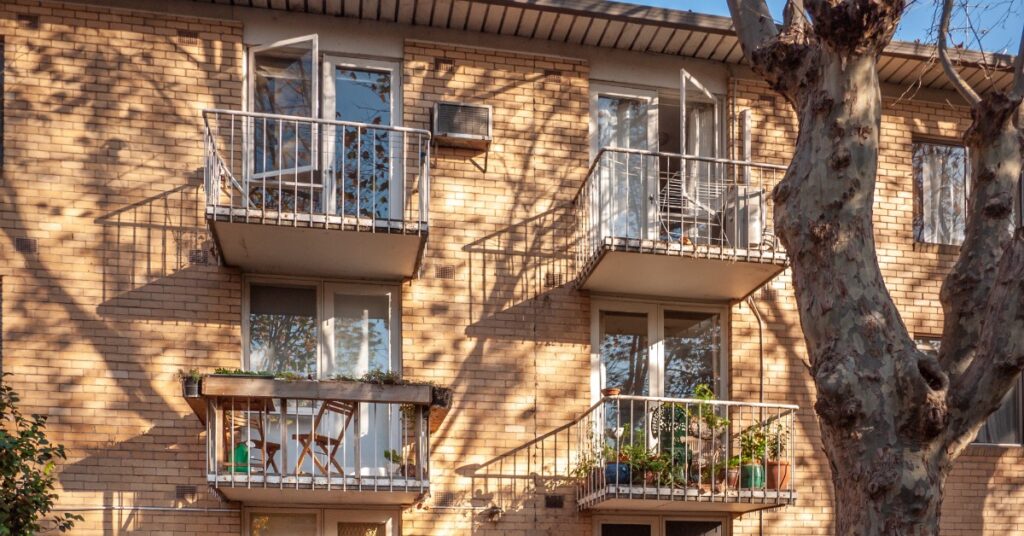
A multifamily building’s condition can affect its purchase price, financing options, operating costs, and the amount of work required after closing. A property with outdated units or deferred maintenance may offer room for improvement, but those improvements require both money and time. A thorough inspection can show whether the work fits your budget and investment plan.
Look beyond cosmetic updates when evaluating the building. Roofing, plumbing, electrical systems, heating and cooling equipment, and exterior components can become significant expenses when repairs are needed across multiple units. Understanding the property’s major systems can make your renovation and reserve estimates more realistic.
Identify Immediate Capital Needs
Separate work that needs to happen soon from improvements that can reasonably wait. Active leaks, safety concerns, failing equipment, or other urgent problems may need to take priority over cosmetic upgrades. Estimate both the cost of those repairs and the time required to complete them. You should also consider whether construction or maintenance work could temporarily keep certain units off the rental market.
Consider the Management Workload
Owning several rental units under one roof can create a different workload than managing a single rental property. More tenants may mean additional lease renewals, maintenance requests, rent collection, turnovers, and scheduling responsibilities. Before buying, consider whether that level of involvement aligns with the time you want to dedicate to the property.
Location can also affect the management burden. A nearby property may be easier to oversee personally, while an investment farther away could require dependable local support. Your schedule and experience should influence how much management responsibility you’re prepared to take on.
Compare Self-Management and Hiring
Managing the property yourself gives you direct oversight of tenants and day-to-day operations, but it also requires a meaningful time commitment. A property manager can handle many routine responsibilities, though management fees become another expense to include in your projections. Compare the potential savings of self-management with the workload and availability it requires. The right choice will depend on your experience, the property size, its location, and how involved you want to be.
Understand Your Financing Options
Financing options can vary based on the building’s size, condition, occupancy, and current income. Your intended investment plan may also influence which loan structures make sense. For example, a fully occupied property in stable condition can present different financing considerations than one that needs repairs or repositioning before reaching its expected performance.
Investors may also consider private money lenders when a multifamily property doesn’t fit conventional lending requirements. These lenders typically place greater emphasis on the property and the investment plan, which can make them useful for properties that need repairs, have occupancy issues, or require a faster closing timeline.
Before choosing a financing option, ask these questions:
- How much down payment is required?
- What types of multifamily properties qualify?
- How does the property’s condition affect financing?
- Can the loan include renovation costs?
- How long is the loan term?
- Will the lender require cash reserves?
- How quickly can the loan close?
- Will the loan need to be replaced with long-term financing?
Multifamily investing can offer several rental units within a single property, but that potential comes with additional financial and management considerations. Before deciding if it’s right for you, look closely at your goals and available capital. Then, evaluate the market, property condition, financing, and workload involved. Running realistic numbers under both expected and less favorable scenarios can show whether a particular opportunity fits your investment plan.