

Real estate investing often starts with seeing potential where others see problems. An outdated or neglected property may become a steady rental when the purchase price, repair plan, and expected income work together. Still, managing those moving parts can be difficult, especially when each decision affects the next stage of the project. The BRRRR method is a real estate investment strategy that guides investors through five stages: buying a property, renovating it, renting it, refinancing it, and repeating the process. Learn how it works and key considerations at each stage.
Buy a Property With Strong Potential
The first step is to buy a property with a clear path to improvement and steady rental demand. Before making an offer, look beyond its current condition and consider the location, layout, and types of tenants it could attract once the work is complete. A strong BRRRR property should offer enough upside to justify the repairs without pushing the total investment too high.
Calculate the Total Project Cost
Before buying, make sure you understand the expenses involved in acquiring and preparing the property. Reviewing the full project cost can help you decide whether the numbers support the investment.
A complete estimate should include:
- Purchase price: The amount paid to acquire the property.
- Renovation budget: The expected cost of labor, materials, and repairs.
- Closing fees: The expenses required to complete the property purchase.
- Financing charges: The interest, lender fees, and other costs tied to the loan.
- Carrying expenses: The costs of holding the property while it’s being renovated or remains vacant.
- Taxes and insurance: The property taxes and insurance premiums due during the project.
- Utilities and permits: The cost of keeping services active and securing required approvals.
- Unexpected repairs: Extra work that wasn’t identified before the renovation began.
Estimate the After-Repair Value
The after-repair value, or ARV, is what the property may be worth after the planned renovations are complete. Investors often estimate it by comparing the property with recently sold homes that are similar in size, location, layout, and condition. This estimate matters during the “buy” stage because it helps show whether the purchase price and repair costs leave enough room for the deal to work. A realistic ARV also gives you a better idea of how much equity may be available when it’s time to refinance.
Rehab the Property
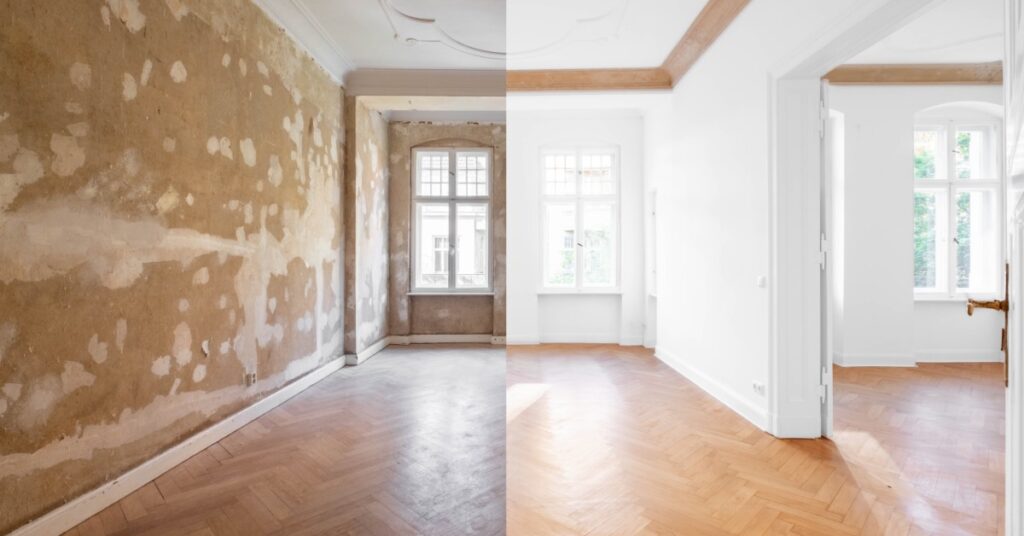
The rehab stage focuses on making the property safe, functional, and appealing to renters. A clear plan keeps the renovation organized and prevents unnecessary spending.
Address Essential Repairs First
Start with problems that affect the property’s safety or basic function. These may include structural damage, roof leaks, or faulty electrical and plumbing systems. Completing essential repairs first creates a solid foundation for the rest of the renovation.
Choose Updates Renters Value
Once you complete major repairs, focus on improvements that fit the local rental market. Fresh paint, durable flooring, updated fixtures, and practical kitchen or bathroom changes may make the property more appealing. Investors should choose updates based on tenant needs rather than their own personal taste.
Keep the Project on Track
A realistic budget, timeline, and scope of work make the renovation easier to manage. Track expenses and progress throughout the project so you can address problems early. Leave room in the budget for repairs or delays that weren’t expected.
Rent the Property
This stage is where BRRRR begins to differ from a traditional fix-and-flip project. Rather than selling the property after renovations, the investor rents it out to create ongoing income and prepare for refinancing.
Calculate Expected Rental Cash Flow
Rental cash flow is the income left after the property’s ongoing expenses and debt payments are covered. These expenses may include taxes, insurance, maintenance, property management, utilities, vacancies, and future repairs. Even a property with strong monthly rent may produce limited cash flow if you underestimate its costs.
Prepare for Tenant Placement
Tenant placement begins with preparing the property for showings and setting a competitive rental rate. From there, investors may need to advertise the home, respond to inquiries, review applications, and complete legally compliant screening. Local rental demand will influence how quickly the property becomes occupied and whether the asking rent is realistic.
Refinance the Improved Property

Refinancing replaces the loan used to buy or renovate the property with a new one. The lender may look at the property’s completed value, rental income, and the borrower’s qualifications when setting the loan amount and terms.
If the renovations increased the property’s value, the investor may be able to cash out home equity through the new loan. This can return part of the money used for the purchase and repairs while allowing the investor to keep the property as a rental. The recovered capital may then go toward another investment or remain available as a reserve.
Repeat the Process With Another Investment
After refinancing, an investor may be able to direct some of the recovered capital toward another property. Before moving forward, it’s wise to review the first project’s actual costs, rental results, loan payments, and remaining reserves. The next purchase shouldn’t weaken the financial stability of the property that has already been completed.
Ask these questions to confirm that the first property is financially stable, and you can take on another investment:
- How much capital did the refinance return?
- Is the first property consistently occupied?
- Does its rent cover ongoing expenses?
- How much cash remains in reserve?
- Which costs exceeded the original estimates?
- Will another loan strain overall cash flow?
Avoid BRRRR Mistakes
The BRRRR method is widely used, but investors can run into problems if they don’t have realistic estimates. Paying too much for a property or underestimating renovation costs can leave less room for the investment to work. Investors may also run into problems when they overestimate the after-repair value, expected rent, or amount of capital the refinance will return.
An experienced lender can provide useful guidance throughout the financing process. They can explain loan requirements, review the proposed timeline, and clarify how the property’s value or rental income may affect refinancing.
The BRRRR method is a long-term strategy for improving a property, creating rental income, and reusing part of the capital invested. It works because each stage prepares the property and the investor for the next financial decision. Speak with BridgeWell Capital about funding that may fit your BRRRR project.