
Finding the right warehouse for your business or investment plans is one thing, but figuring out how to pay for it is another. A property may need repairs, lack steady rental income, or have a closing deadline that makes traditional financing difficult. These five real estate loan options for warehouse spaces can accommodate different property conditions and investment goals. Choosing a loan that matches your property’s needs can put you in a better position to move forward with your plans.
Understanding Warehouse Financing Requirements
Before approving a warehouse loan, lenders look at the property and the borrower’s financial situation. For example, an investor purchasing a vacant distribution facility may face different requirements than a business owner buying a warehouse for daily operations.
Common factors lenders consider include:
- the warehouse’s current market value and its suitability as loan collateral
- the building’s existing systems and potential repair needs
- whether the warehouse will be owner-occupied, leased to tenants, or temporarily vacant
- rental income and the property’s ability to cover loan payments
- available down payment funds and financial reserves
- whether the financing will cover a purchase, renovation, or refinance
How Warehouse Use Affects Eligibility
How you plan to use a warehouse can determine which financing programs are available. A facility occupied by the borrower’s business may qualify for loans that aren’t available to investors purchasing rental properties. Warehouses used for distribution, manufacturing, or specialized storage may also require additional assessments to determine whether the property meets lender requirements. The building’s layout and features can also affect its value, especially if they’re designed for a narrow range of commercial uses. BridgeWell Capital finances qualifying industrial properties used for storage but excludes properties with manufacturing operations or environmental hazards.
1. Commercial Real Estate Loans

Commercial warehouse financing allows borrowers to purchase existing buildings for investment or business purposes. These loans are secured by the property, with lenders evaluating its value and condition alongside the borrower’s finances. When comparing real estate loan options, borrowers should consider how the size, occupancy, and intended use of warehouse spaces affect available financing terms.
Private lenders offering commercial real estate loans may provide more flexibility than traditional banks. For example, BridgeWell Capital offers commercial loans ranging from $150,000 to $2 million for qualifying properties, including industrial facilities used for storage.
Financing Investment vs. Business Properties
Whether you’re purchasing a warehouse as an investment or for your own business can affect how a lender evaluates your application. For rental properties, lenders may focus on existing lease income and whether it can support the loan payments. If the building will house your business, lenders may weigh the company’s financial performance and ability to repay the loan more heavily. Some private lenders also accommodate different occupancy arrangements, allowing borrowers to finance fully leased buildings, vacant properties, or warehouses used entirely for their own operations.
2. Commercial Hard Money Loans
Commercial hard money loans are particularly useful for short-term investments where borrowers plan to improve a property before refinancing or selling it. Borrower qualifications still matter, but lenders generally rely less on conventional underwriting standards. This can make hard money financing worth considering for warehouses that need improvements or have circumstances that complicate traditional loan approval.
These loans typically have shorter repayment periods than conventional commercial mortgages. An investor might use one to purchase a warehouse, complete necessary improvements, and then refinance or sell the property. However, interest rates and fees can be higher, so it’s important to calculate the total borrowing costs and establish a realistic repayment plan.
Advantages for Time-Sensitive Purchases
Some warehouse purchases have deadlines that leave little time for a lengthy bank approval process. Hard money lenders can often evaluate the property and decide on funding faster than conventional institutions. This can be particularly useful for auction purchases or negotiated sales where the seller wants a quick closing. For example, BridgeWell Capital can fund qualifying transactions in as little as 10 days, although the actual timeline depends on the property and application requirements.
3. Commercial Rehab Loans
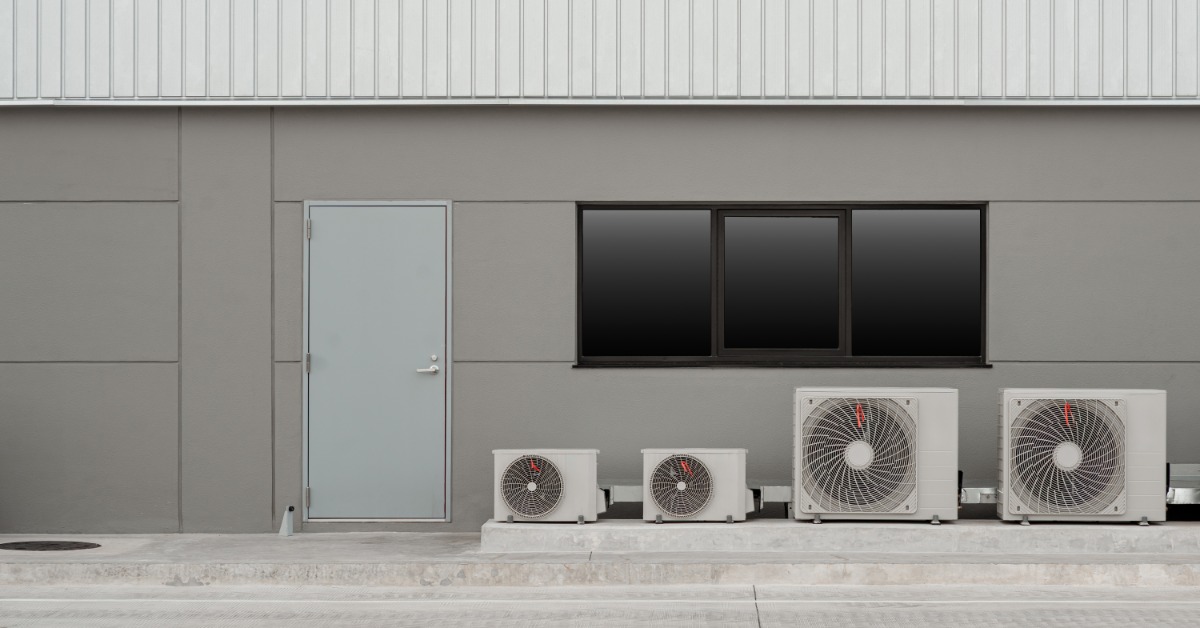
An existing warehouse may need repairs or updates before it’s ready for tenants or business operations. Commercial rehab loans can finance qualifying improvements, letting borrowers address building deficiencies or adapt older facilities to current needs. Depending on the loan structure, financing may cover both the acquisition and renovation or fund improvements to a property you already own.
Commercial rehab loans may cover qualifying improvements, giving warehouse owners the funds to:
- Replace damaged roofing materials or address drainage problems.
- Upgrade electrical wiring or power capacity to accommodate operations.
- Repair loading dock equipment, access points, or loading areas.
- Reconfigure storage areas, offices, or other interior spaces.
- Repair or replace HVAC systems.
- Address structural damage.
4. Commercial Cash-Out Refinance Loans
If you’ve built equity in a warehouse, cash-out refinancing may allow you to access some of that value without selling the property. The process involves replacing an existing mortgage with a larger loan and receiving the difference in cash after the original debt and applicable closing costs are paid. How much you can borrow depends on the property’s appraised value, your outstanding mortgage balance, and the lender’s requirements.
This financing option can help when you need capital for another project but want to keep ownership of your warehouse. Keep in mind, though, that increasing your loan balance may result in higher payments or a longer repayment period. Before refinancing, compare the amount of equity you could access with the costs and obligations of the new loan.
5. Owner-Occupied Commercial Property Loans
If your business needs a warehouse for its own operations, owner-occupied commercial financing may be an option. These loans are designed for companies buying or refinancing buildings they’ll use for inventory storage, distribution, or manufacturing. Eligibility generally depends on how much of the property the business occupies, along with other lender-specific requirements.
Buying a warehouse instead of leasing one can give a business greater control over its operating space. However, lenders will want to know whether the company generates enough income to support the mortgage and other ownership expenses.
Some of the most promising warehouse opportunities come with challenges that make conventional financing difficult. Vacant buildings, outdated facilities, and properties requiring extensive repairs may still have considerable potential in the right hands. Private financing can give investors more flexibility to pursue these opportunities without waiting for a property to meet traditional lending standards. BridgeWell Capital offers flexible financing solutions for qualifying commercial properties, including warehouses. Contact BridgeWell Capital to discuss your property and explore financing options for your next investment.