

You’ve found a property with investment potential, but getting it ready for resale or rental may take substantial work. The financing that makes sense for a quick house flip might not suit a commercial renovation or a partially completed construction project. Comparing the different types of rehab loans for investors can clarify which options fit your property and renovation plans. Here’s what to know about four financing options, their qualification requirements, and how they distribute funds.
1. Fix-and-Flip Loans
Fix-and-flip loans provide short-term financing for investors who purchase properties, renovate them, and sell them for a profit. They’re commonly used for houses that need improvements before they can attract buyers at a competitive price. Hard money lenders typically consider the property’s renovation potential and expected resale price when reviewing applications.
Unlike conventional mortgages, fix-and-flip loans are structured around shorter investment timelines. Investors generally repay the financing after completing renovations and selling the property. A realistic construction schedule and resale estimate can make it easier to determine how much to borrow and when the loan can be repaid.
Combining Purchase and Renovation Costs
Some fix-and-flip loans can cover both the property purchase and planned improvements, allowing investors to arrange financing for multiple stages of a project through one lender. The available loan amount may depend on the purchase price and estimated repair expenses. Lenders may also consider the property’s after-repair value (ARV), or what it’s expected to be worth once renovations are complete. Investors should budget for additional expenses that may not be covered by the loan, such as closing costs and unexpected repairs.
2. Residential Hard Money Rehab Loans
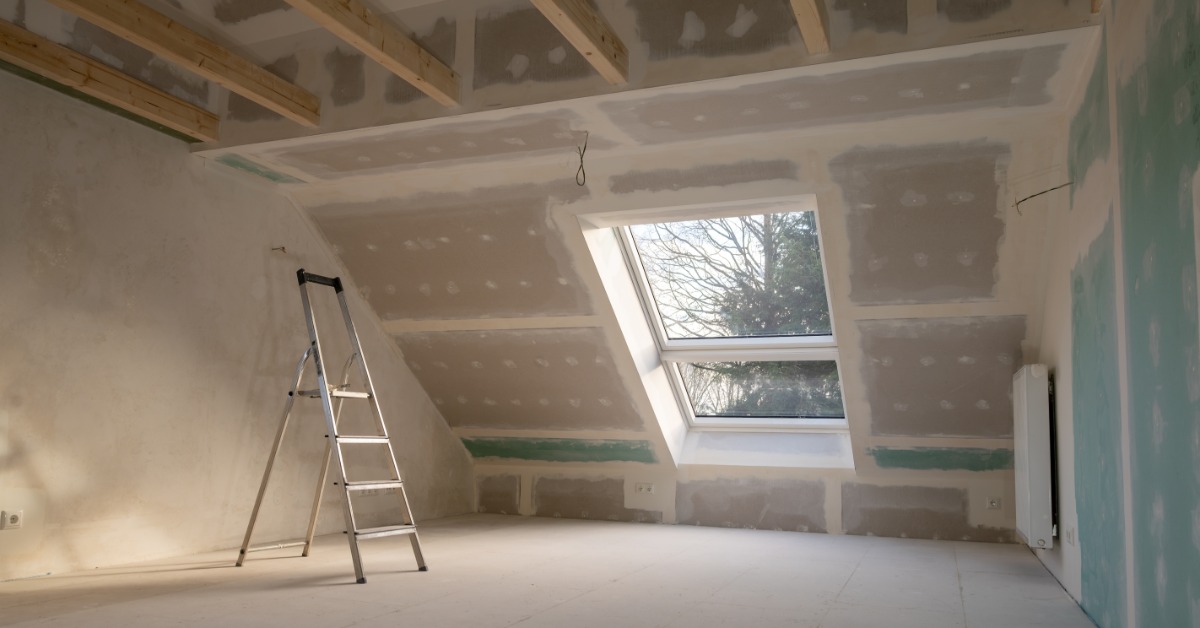
Residential hard money rehab loans provide financing for investors improving residential properties, including those intended to become rentals. Because these loans are secured by real estate, they may be available for properties that don’t meet conventional lending requirements. Lenders evaluate the property’s collateral value along with the borrower’s renovation plans and ability to repay the financing.
For example, an investor purchasing a distressed rental property might use this financing to complete repairs before welcoming tenants. The work could involve replacing outdated systems, repairing damaged interiors, or making other improvements needed to prepare the home for occupancy. Once renovations are finished, the investor may refinance into a longer-term loan, provided the property and borrower meet the new lender’s requirements.
3. Commercial Property Rehab Loans
Commercial property rehab loans finance improvements to buildings used for business or investment purposes. They may be suitable for office buildings, retail spaces, mixed-use properties, and other eligible commercial real estate. Investors often use this financing to prepare buildings for tenants or update properties for a different commercial use.
Among the different types of rehab loans for investors, commercial financing is especially useful when a property’s condition or occupancy makes conventional approval difficult. Private lenders may consider buildings that need substantial repairs or don’t yet produce reliable rental income. Financing terms generally depend on the property’s value and how the building will be used once renovations are complete.
Financing Vacant or Distressed Properties
A vacant commercial building may need extensive improvements before it can generate rental income. Depending on its condition, an investor might need to replace aging building systems or update the interior to accommodate new tenants. Because the property may not produce income during construction, lenders typically evaluate its potential value alongside the investor’s repayment plan. Borrowers should also consider how long the building might remain vacant after renovations, since those additional months can affect their overall budget.
4. Rehab-Only Loans
Rehab-only loans provide financing for improvements to properties investors already own. Rather than covering a new purchase, these loans focus on the costs of completing construction or renovating an existing building. They’re often suitable for properties owned free and clear, although other financing arrangements may be possible if an existing mortgage can be paid off.
Investors can use home renovation loans structured as rehab-only financing to complete substantial improvements to eligible properties. Funding may be provided through a renovation credit line, with money released as construction progresses. This arrangement allows investors to focus their borrowing on the remaining work without needing financing for the property’s purchase.
Funding Partially Completed Projects
Some investors run into financing needs after construction is already underway. A rehab-only loan may be available for a dried-in structure, meaning the building already has essential exterior components such as a roof, walls, windows, and doors. The remaining budget might cover electrical work or interior finishes needed to complete the property. Lenders review the existing structure and the cost of unfinished work to determine whether the project qualifies.
Rehab Loan Requirements

Although private rehab lenders may place greater emphasis on property value than traditional banks, borrowers still need to demonstrate that their projects are financially realistic. Lenders want to understand the proposed improvements and whether the investor has sufficient resources to complete the work. Requirements vary by loan type, but several factors commonly influence approval.
When reviewing a rehab loan application, lenders may consider several factors that affect eligibility and repayment expectations:
- Property value can influence the available loan amount, including the property’s current market value and estimated value after renovations.
- Available equity may affect financing options for investors who already own the property.
- Borrower funds must generally be sufficient to cover required down payments and other expenses.
- Renovation costs should be outlined in a detailed budget that accounts for the proposed improvements.
- Project timelines should provide a realistic estimate of when construction will be completed.
- Repayment plans should explain how the borrower intends to pay off the loan, whether through selling or refinancing the property.
How Funding Works
Not every rehab loan provides the full renovation budget at closing. Instead, some lenders release construction funds in stages, allowing investors to access money as the work progresses. The disbursement structure depends on the lender and the terms of the financing agreement.
Before construction begins, investors should understand when funds will become available and what they’ll need to provide to receive them. Certain expenses may need to be paid before the lender releases the next portion of financing. Knowing these requirements early makes it easier to coordinate contractor payments and avoid disruptions to the construction schedule.
Different renovation projects call for different financing solutions, depending on the property’s condition and what you plan to do with it. Fix-and-flip, residential hard money, commercial rehab, and rehab-only financing can serve distinct investment needs, even though some features overlap. Before applying, compare the requirements and repayment terms of each option, along with how and when you’ll receive renovation funds. BridgeWell Capital offers private real estate financing for eligible renovation projects, so contact our team to discuss funding options for your next investment.