

A good deal at closing isn’t enough for investors to make a profit. They generate returns through smart renovations, timing, and resale strategy. After-repair value, or ARV, is the estimated price a property could sell for once renovations are complete. This number influences financing, renovation plans, and resale pricing. Residential investment loans can maximize ARV by providing renovation capital that supports the specific upgrades buyers pay for in that neighborhood.
Calculating ARV
After-repair value is the projected market value of a property after renovations are complete. Appraisers and lenders analyze comparable sales, neighborhood trends, and property condition to support that number. Investors use ARV to calculate potential profit and determine renovation budgets. Consequently, inflated projections distort the entire investment plan.
Comparable Sales
Comparable sales are used to support the ARV when they match your property’s key features, such as location, size, number of bedrooms and bathrooms, and general style. Appraisers look for recent sales, then adjust for meaningful differences, such as an extra bath, a garage, or a larger living area.
Neighborhood Trends
Neighborhood trends show whether buyers move up in price, stay flat, or pull back, and that movement changes how aggressive your ARV should be. Appraisers and lenders may review sale-to-list ratios, days on market, and how quickly updated homes go under contract compared to dated ones.
Property Condition Review
Condition impacts ARV because buyers pay for “move-in ready,” and they discount uncertainty. Lenders and appraisers pay close attention to big-ticket items like roof life, HVAC age, plumbing, electrical, and signs of water intrusion. While cosmetic finishes matter, structural and mechanical issues tend to drag value down faster.
Budget With Purpose
A rehab budget shouldn’t feel like a wish list, and it shouldn’t feel like a guess either. Start by outlining the upgrades the home needs to compete with other renovated listings in the same micro-market. Then set aside contingency money, since older houses often reveal new issues when you open up walls.
The smartest budgets separate value drivers from nice extras. A kitchen refresh might anchor the value, while a fancy built-in bar might just eat margin. Itemized budgets help you communicate clearly with your lender and your contractor, which keeps the project moving.
Choose High-Impact Upgrades
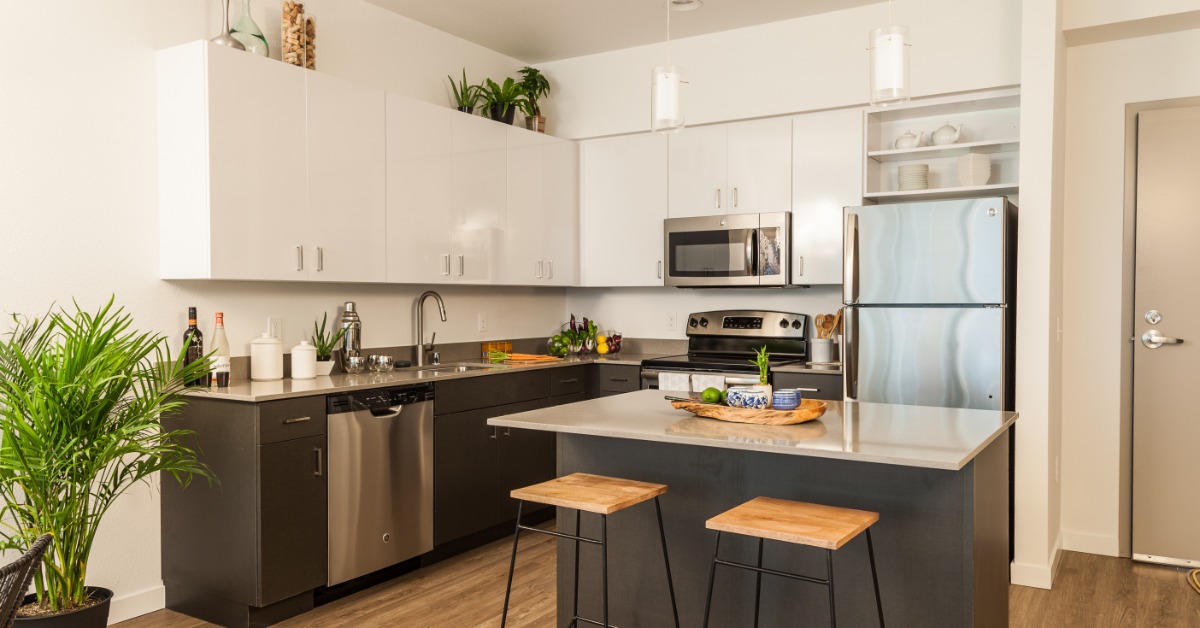
Buyers tend to respond to upgrades they can see and feel right away, like clean kitchens, updated baths, and consistent flooring. That said, your neighborhood sets the ceiling, so you want upgrades that match what local buyers expect.
Aim for cohesive choices that photograph well, since listing photos do heavy lifting. The upgrades that usually support ARV share one trait: they align with what comparable renovated homes already offer.
Use this checklist to stay focused on improvements that buyers value in many markets:
- Repair or replace worn roofing components.
- Update kitchens with durable, simple finishes.
- Refresh bathrooms with modern fixtures and lighting.
- Improve curb appeal with paint and landscaping.
- Address safety issues such as wiring defects.
Fast Close, Steady Upgrades
Residential investment loans can maximize ARV by preventing cash flow gaps that slow renovation work. With the right structure, you can close quickly, then access rehab funds as you complete each phase. That steady funding supports higher-impact upgrades like kitchens, baths, and core repairs that buyers pay extra for.
When money arrives at the right time, contractors can more easily stay on schedule, and the project reaches a truly market-ready finish. A realistic timeline and solid documentation also make inspections and disbursements smoother, which helps keep the rehab moving.
Draws, Timing, and Cash Flow
Cash flow problems can bring your renovation projects to a complete halt. Each stage of work needs money at the right moment, from demolition to rough-in to finishes. If the draws don’t match the order of operations, contractors slow down, and the renovation timeline stretches.
A tight timeline supports ARV because buyers and appraisers lean on recent, “current” comps when they price a finished home. When a rehab drags out, the market can shift, and those comps may no longer reflect the most accurate pricing window.
At the same time, every extra week adds holding costs that eat into your margin and put more pressure on your exit price. Smooth draw timing keeps crews moving, limits holding costs, and helps you hit a market-ready finish that supports top-dollar ARV.
Managing Risk During Rehab
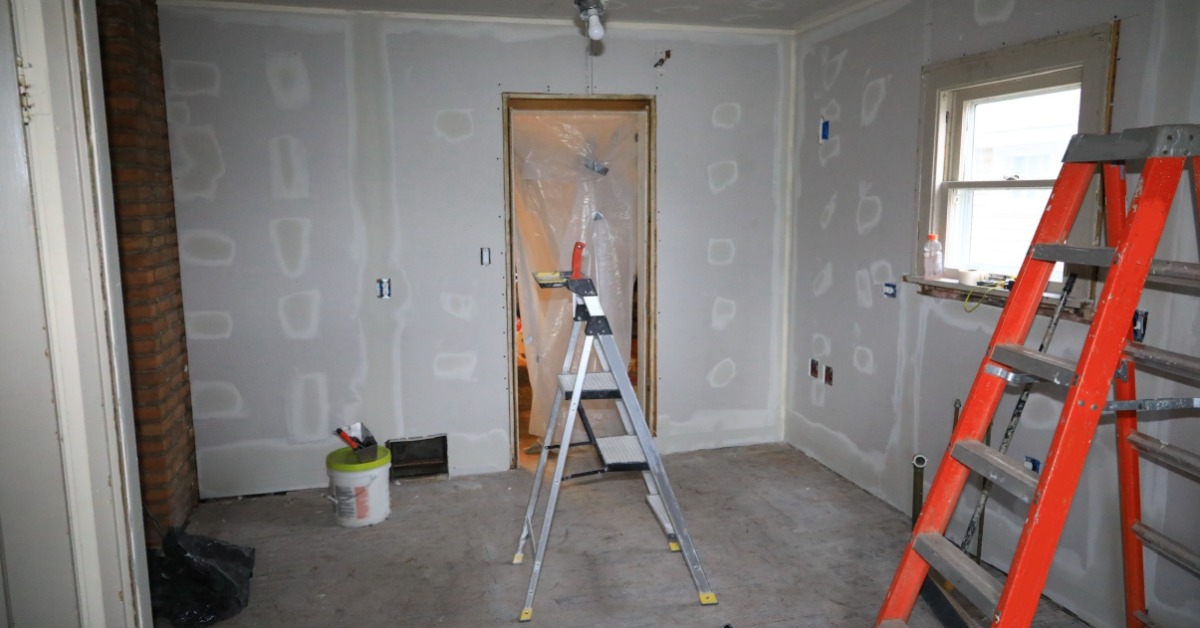
Risk management protects your ARV by preventing the delays and rework that buyers never pay extra for. Start with a contractor you trust, then build checkpoints into the timeline so you catch issues early. A simple weekly walkthrough can save a month of headaches later.
Review these five risk controls before the first day of demo:
- Confirm permits and inspection requirements early.
- Order long-lead materials before demolition begins.
- Keep a contingency line item for hidden repairs.
- Document work progress with dated photos.
- Reconfirm scope changes in writing.
Owner-Occupied Hard Money Loans
Owner-occupied hard money loans are for buyers who want to live in the home but need financing for a property that requires repairs. These loans fund upgrades that turn the home from a fixer-upper to a finished home, which supports stronger comps and a higher post-renovation valuation. Owner-occupied hard money loans in Florida are particularly appealing when a home’s condition, the seller’s timeline, or the renovation scope makes conventional financing a poor fit.
This loan can make sense when you’re buying a dated property in a desirable area, and you want to renovate quickly instead of waiting through a long underwriting process. It also supports a focused rehab plan where you tackle value drivers first, document the work, and finish with a cohesive, appraiser-friendly result.
These are some of the common improvements borrowers fund to support ARV and livability:
- Kitchen refreshes, including cabinets and counters.
- Bathroom updates, including tile, vanities, and fixtures.
- Flooring replacement and interior paint.
- Roof, HVAC, plumbing, or electrical repairs.
- Curb appeal upgrades like exterior paint, windows, and siding.
ARV grows when your plan stays realistic, your upgrades match the neighborhood, and your financing supports the timeline. Residential investment loans give you a way to fund the work that buyers reward, as long as you stay disciplined with scope and documentation. Using closely matched comparable sales, clear condition notes, and a buyer-driven budget helps you keep your ARV targets realistic.