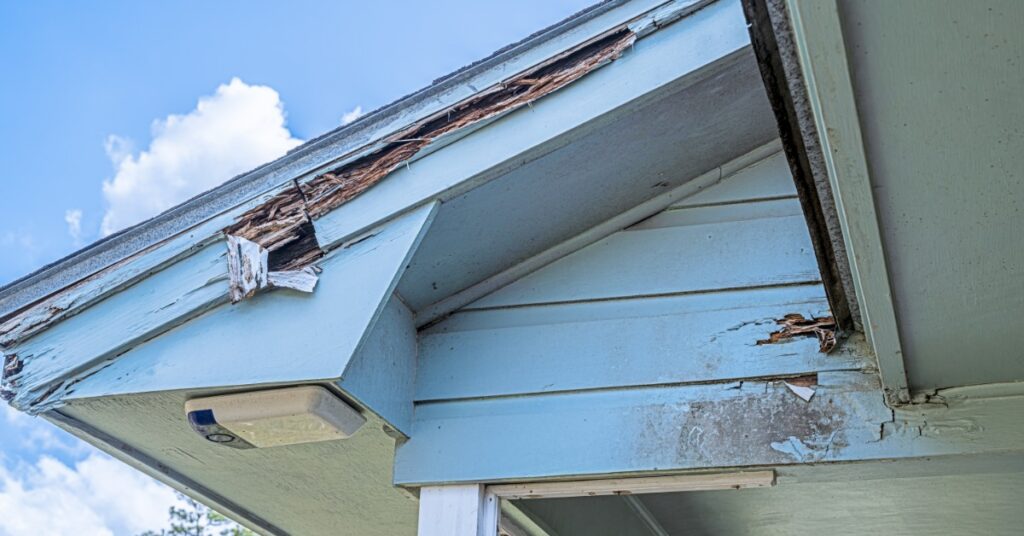
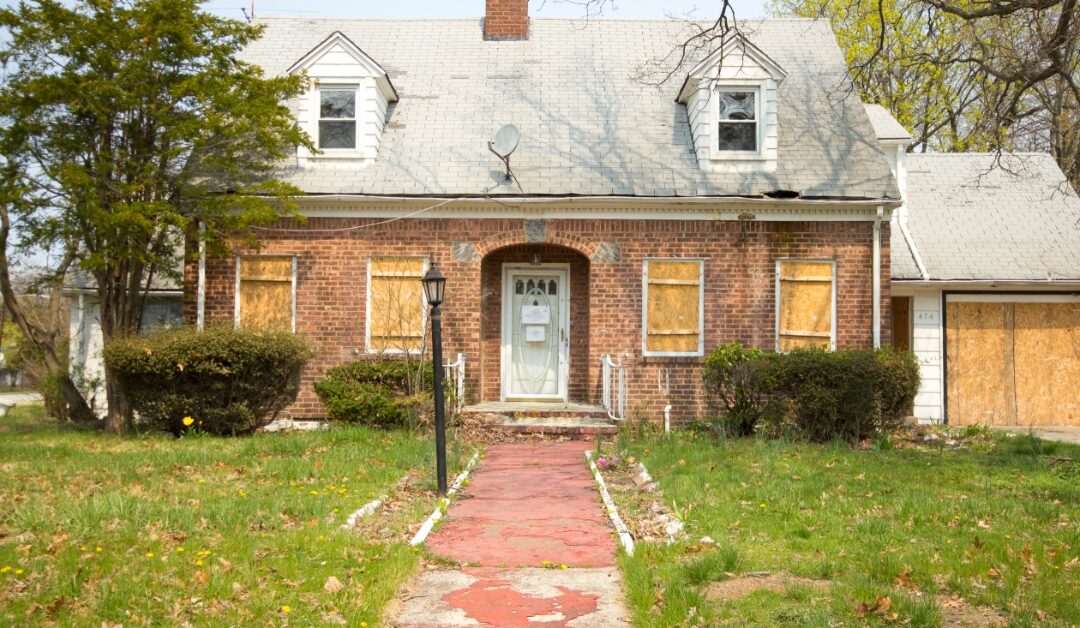
Not every worthwhile commercial property is ready for conventional financing on day one. A building may have vacancies, outdated systems, unfinished space, or repairs that make a bank hesitant to approve the deal. These are common reasons to consider hard money loans when an otherwise viable commercial property deal doesn’t fit the traditional lending process. Hard money loans can give investors time to improve the property and prepare it for the next step.
Closing Deals on Tight Timelines
When a commercial property has a short closing window, a slow approval process can put the deal at risk. Hard money lenders may move more quickly because they focus closely on the property’s value, the details of the transaction, and how the loan will be repaid. That can make this financing a better fit for time-sensitive opportunities.
Meeting Contract Deadlines
A purchase agreement usually includes specific dates for financing, inspections, and closing. Missing one of those deadlines can weaken your position or put the entire deal at risk. A hard money lender may be able to review the transaction and make a decision more quickly than a conventional lender. To keep that faster process on track, the borrower should provide accurate documents and respond promptly when the lender requests additional information.
Responding to Competing Offers
Properties with strong investment potential may attract several buyers at once. In those situations, a seller may prefer an offer backed by financing that can close within the requested timeframe. Hard money can give you more confidence when making an offer with a shorter financing window.
Reducing Approval Delays
Conventional commercial loans can involve extensive paperwork, multiple reviews, and additional approval steps. That process may work for some transactions, but it can be problematic when the seller needs a quick answer. Hard money underwriting may reduce delays by focusing on the collateral and the strength of the investment plan. Due diligence still matters, but the path to a lending decision may be more direct.
Funding Major Property Improvements
Another practical reason to use a hard money loan is to finance a commercial property that needs substantial work. Deferred maintenance, outdated systems, or unfinished interiors can make a property difficult to finance in its current condition. Short-term commercial real estate loans may cover the purchase and renovation stages when the improvements support a clear business plan.
Depending on the property and loan structure, funding may support improvements such as:
repairing or replacing the roof
updating plumbing and electrical systems
correcting structural or safety concerns
renovating office or retail interiors
preparing units for new tenants
improving common areas and building access
Qualifying With Asset-Based Underwriting
Asset-based underwriting focuses primarily on the property’s value and the strength of the investment plan, rather than relying solely on traditional borrower qualifications. It may be an attractive option when the property offers solid collateral value, and the project appears viable.
Evaluating the Property’s Value
The lender may evaluate the property’s location, physical condition, rental income, tenant occupancy, and expected value after renovations. Together, these details show the strength of the asset supporting the loan. A property with solid value may make the financing request more attractive by providing stronger collateral. A practical renovation plan and current market conditions should support any projected increase in value.
Reviewing the Project Plan
The lender may review renovation plans, expected costs, and the property’s intended use. A detailed plan outlines how the investment is expected to progress from its current state to the next stage. Weak or incomplete projections can make the loan harder to justify.
Supporting Short-Term Investment Plans
Hard money loans are usually designed for projects with a defined timeline rather than long-term ownership financing. They can be useful during the period between purchasing a property and reaching the condition, occupancy level, or value needed for the next stage.
Renovating Before Resale
Some investors purchase commercial properties with plans to improve and resell them. The work may include addressing deferred maintenance, modernizing the interior, or making the building more attractive to future buyers. Hard money financing can cover the acquisition and planned renovations during this period. Your expected sale price and timeline should reflect current market conditions, not only the most favorable outcome.
Stabilizing Before Refinancing
A property may not qualify for long-term financing while vacant, under renovation, or producing inconsistent income. Short-term funding can give you time to make improvements and create a more stable operating history. Once the property is performing more consistently, refinancing may become a possibility.
Preparing Space for Tenants
Vacant or outdated space often needs work before a business can move in. You may need to change the layout, repair key systems, or complete basic tenant-ready improvements. Hard money financing can support the property during this transition, before it begins generating steady rental income.
Pursuing Unconventional Property Opportunities
Some commercial properties are harder to finance because their use, condition, or income history falls outside standard lending guidelines. These same challenges may create opportunities for investors willing to improve or reposition the property.
Mixed-Use Buildings
A mixed-use property may combine retail, office, residential, or other spaces under one roof. This can make the building harder to evaluate because each part may produce income differently. It may also require the lender to consider several types of tenants and operating risks. For an investor, the varied uses can create multiple income streams and more ways to improve performance.
Properties With High Vacancy
A building with substantial vacancy may not generate enough current income to satisfy a conventional lender. The investor must show how the empty space will be renovated, marketed, and leased. Vacancy can still create an opportunity to reposition the property or bring in stronger tenants. A realistic leasing plan and sufficient reserves are important.
Buildings With Unusual Layouts
An uncommon floor plan or specialized design may limit the number of businesses that can use the property as-is. That can make future income and resale value harder to estimate. Investors may see an opportunity to reconfigure the space for a broader range of tenants. The renovation budget should account for the cost and time required to make those changes.
The right financing should support the deal from purchase through repayment. Hard money loans may be useful when a commercial property needs faster funding, substantial improvements, or time to reach a more stable condition. An experienced lender can review the property and project plan to structure financing around the deal. Contact BridgeWell Capital to discuss whether a hard money loan fits your next commercial property investment.
A distressed home can look like a problem to one buyer and a serious opportunity to another. Maybe the roof needs attention, the kitchen has seen better times, or the seller wants a fast closing that a bank cannot support. Investors who know how to read the numbers may see a path forward with hard money for distressed residential buys. Whether you want to repair and resell the home or hold it as a rental, this financing option can bridge the gap between purchase and profit.
What Distressed Residential Buys Mean
A distressed residential buy is a home with repair issues, financial pressure, or a seller who needs to move quickly. Some properties only need cosmetic updates, while others need major work. Investors consider these homes because the right repairs may create value, but a low price should always be weighed against the project’s true cost.
Repair Issues To Watch
Distress can show up in several ways. The home may have roof damage, plumbing problems, outdated electrical systems, water damage, or missing fixtures. In other cases, the property may look fine at first, but still have title issues or vacancy concerns. Repairs may be worth making when the total project cost leaves enough room between the purchase price and the expected resale or rental value. Investors should compare repair estimates, nearby comparable sales, and holding costs before deciding whether the deal still works.
Why Investors Target Them
Investors may see opportunity where traditional buyers see too much work. A distressed home may have a strong location, a solid structure, or rental potential after repairs. Additionally, the discounted purchase price may create room for profit if the rehab budget and resale or refinance plan make sense.
The Necessity of Due Diligence
A low price should never be the only reason to buy a property. Investors should review repair estimates, inspection findings, comparable sales, holding costs, and financing terms before closing. Otherwise, a deal that looks affordable upfront may become much tighter once the full project cost comes into focus.
How Traditional Loans Fall Short
Traditional mortgage lenders usually prefer homes that meet certain condition standards. A distressed house may have repair issues that make the appraisal, insurance approval, or loan approval more difficult. If the home needs major work before it is livable, a conventional lender may not be the right fit.
Momentum also plays a major role in distressed residential deals. Sellers may compare offers based on how quickly and confidently prospective buyers can close. A cash buyer or private-money-backed investor may look stronger thanks to a clear funding path. On the other hand, a buyer relying on a slow bank process may lose.
Short Inspection or Bidding Windows
Distressed homes may come with tighter timelines than standard property purchases. A seller may want a fast offer because of financial pressure or vacancy issues, among other concerns. In some cases, investors may have only a short window to inspect the home, estimate repairs, and decide whether the deal works. As a result, buyers who line up financing early may feel better prepared to make a serious offer.
How Hard Money Financing Works
Private lenders tend to evaluate deals differently from conventional mortgage lenders. Because of that, hard money may suit investors who need faster, more flexible funding for buying distressed residential properties. This type of lending is usually asset-based, meaning the property plays a major role in the approval decision. The lender still reviews the borrower and the plan, but the home’s value, condition, and potential also carry a lot of weight.
Property Value
The lender looks at the home’s current value and its potential value after repairs. This helps show whether the deal has enough room to support the loan.
Purchase Price
The purchase price helps the lender compare what the investor is paying against the property’s condition and market value. A low purchase price may help, but the property still needs enough value after repairs to support the full investment.
Borrower Contribution
Most hard money loans require the borrower to bring money to the deal. This may include a down payment, closing costs, repair reserves, or other project funds.
Rehab Plan
The lender reviews the scope of work to understand what repairs the home needs. A clear rehab plan shows how the investor will improve the property and protect the project budget.
Exit Strategy
The exit strategy explains how the borrower plans to repay the loan. This may involve selling the home after repairs, refinancing it into a long-term loan, or another clear payoff plan.
Rehab Costs and Loan Planning
A distressed property’s biggest surprise usually hides inside the repair budget. Paint, flooring, and fixtures may be easy to price, but plumbing, electrical work, roof repairs, and structural issues can quickly raise the budget.
Borrowers should consider a home loan rehab when the property needs updates before it can be sold, rented, or refinanced. You can use this to fund repairs that make the home safer and more appealing to buyers or tenants. A rehab loan can make sense when the renovation work is a major part of the investment plan.
Prepare for Extra Costs
The repair budget is only one part of the total project cost. Investors should also plan for expenses that come up before, during, and after the renovation.
Before you make an offer, consider these line items:
Closing costs may include title fees, recording fees, and other transaction expenses.
Loan costs may include points, lender fees, and interest during the project.
Insurance should stay active while the property is under repair.
Utilities may need to stay on for contractors, inspections, and basic maintenance.
Holding costs may include property taxes, maintenance, and payments while the home is being repaired.
Hard money can help when a distressed home needs both quick funding and a practical repair plan. A rehab loan offers investors a way to cover renovation-related work while keeping the project tied to a clear exit strategy. This works best when the borrower knows the scope of the repair, the timeline, and the likely value after the work is done.
In the right conditions, a distressed property is a golden opportunity. Hard money enables investors to move quickly, plan around repairs, and compete for homes that may not fit traditional lending standards. If you need a lending partner for a residential rehab project, contact BridgeWell Capital. We help investors like you secure fast, flexible funding.
Hard money is a powerful tool for borrowers who need to close quickly, compete with cash buyers, or finance a property that requires repairs. Even so, it’s important to understand the details of any loan before signing. The top mistakes investors make with hard money usually come down to rushed decisions and weak budgets. Learn how to avoid these issues to keep your project on target.
Rushing Into the Loan
Speed is one of the biggest reasons residential investors look at hard money. A private lender may move faster than a bank, which helps when a seller wants a quick close or the property needs work. But even so, quick funding requires careful review.
You should know the interest rate, points, loan term, fees, payment schedule, and extension options before committing to the loan. Additionally, they should ask what happens if the project runs longer than planned, as delays can change the numbers.
Misreading Loan Costs
The cost of a hard money loan includes much more than the interest rate. It’s important to know the loan cost because it affects the total project budget, monthly carrying costs, expected profit, and exit strategy.
Review these costs to understand the full price of the loan:
interest rate and monthly payment
origination points due at closing
closing costs and third-party fees
extension fees if the project runs long
draw or inspection fees for rehab funds
Compare Costs and Profit
After reviewing those costs, borrowers should compare the total loan expense to the expected profit to determine whether the deal still makes financial sense. Expected profit is the amount left after subtracting the purchase price, repair costs, holding costs, loan costs, and selling costs from the projected resale price. This comparison helps investors avoid taking on a deal that looks profitable at first but leaves too little room for delays or market changes.
Underestimating Rehab Work
Investors may underestimate rehab and renovation costs because a property can look easier to fix than it really is. Once work begins, issues such as hidden damage, outdated systems, permit requirements, or material delays may affect the budget. These surprises affect the timeline and profit.
A strong rehab budget should account for the full scope of the project. That includes labor, materials, permits, cleanup, utilities, insurance, and extra money for unexpected repairs. Investors should also look at the age of major systems and appliances. Additionally, they should get contractor estimates before closing so they are not relying on rough guesses.
Pro-Tip: Set Aside Contingency Money
A contingency is extra money set aside for surprises during the project. It can help cover hidden damage, electrical issues, delayed materials, or repairs that cost more than expected. You do not need to plan for the worst-case scenario, but you should leave room for normal project changes.
A common starting point is to set aside 10 to 20 percent of the rehab budget for unexpected costs. For example, if repairs are estimated at $50,000, you may want an extra $5,000 to $10,000 available. Older properties, larger rehabs, or projects with unknown issues may need a bigger cushion.
Overvaluing the Finished Property
The after-repair value, or ARV, shapes many residential investment decisions. If the ARV estimate is too high, the investor may overpay, borrow too much, or expect a profit that the market will not support. Comparable sales should come from similar homes in the same area.
Additionally, investors should avoid using the best possible sale as the default expectation. A smart estimate looks at current buyer demand, days on market, neighborhood trends, and recent closed sales. The resale number should still work if the market cools or buyers negotiate harder than expected.
Skipping Property Research
A hard money lender may review the property before approving the loan, but investors should still do their own research. The lender evaluates the deal from a lending risk perspective, while the borrower needs to understand how the property affects the budget, timeline, resale plan, and profit.
Title and Liens
A title search reveals whether anyone else has a legal claim to the property. Liens, unpaid taxes, judgments, or ownership disputes can delay closing or make the deal harder to complete. Review these issues before committing too much time or money to the purchase.
Code and Permits
Code violations and permit issues can add extra work, delays, or costs to a rehab project. For example, unpermitted additions or past work done incorrectly may need to be corrected before the property can be sold or rented. Check local records and ask what permits may be required for planned repairs.
Zoning and Property Use
Zoning rules affect how a property can be used. A property may not be approved for certain rental uses, accessory units, short-term rentals, or business activity. Confirm the allowed use before buying, especially if the investment plan depends on a specific rental or occupancy strategy.
Flood and Insurance Risk
Flood zones, storm risk, and insurance requirements can affect the cost of owning the property. Higher insurance premiums or required flood coverage may reduce expected profit. Investors should check these costs early so they can include them in the full project budget.
Hiring the Wrong Contractor
A contractor can make or break a residential hard money deal. Delays, poor communication, weak estimates, and unfinished work may eat into the budget. Additionally, a lender may require inspections or draw approvals before releasing rehab funds, so the contractor needs to stay organized.
Investors should review licenses, insurance, references, project history, and written bids before choosing a contractor. You may save more in the long run by choosing a reliable contractor instead of chasing the lowest price.
Choosing the Wrong Structure
Not every residential investment deal should use the same financing structure. A fix-and-flip, rental property, cash-out refinance, and owner-occupied investment property may each require a different loan setup. The right option should align with how the investor plans to improve the property and repay the loan.
An owner-occupied loan may be a good fit when a borrower plans to use the property themselves rather than treating it as a pure investment. For residential investors, this could apply when they live in part of the property, use it for a qualifying business purpose, or need financing tied to a property they occupy.
Hard money can open the door to deals that require fast action, but borrowers still need a clear plan before moving forward. Rushing into the loan, misreading costs, underestimating repairs, skipping research, and choosing the wrong loan structure can all create problems after closing. By reviewing the terms and matching the loan to the project, residential investors can avoid these hard money mistakes and keep the deal on a stronger footing. Contact BridgeWell Capital when you need fast, practical financing for an investment property.
A promising real estate deal can look simple until it’s time to sort through the financing. LTV, or loan-to-value, is the percentage of a property’s value that a lender may finance. A higher or lower LTV can affect your down payment, available leverage, and overall project plan. These six tips for understanding hard money LTV ratios can help you read the numbers with more confidence before you commit to a deal.
Start With Basic LTV Math
Basic LTV math starts with two numbers: the loan amount and the property value. Once you divide the loan amount by the property value, you can convert the result into a percentage. That percentage shows how much of the property’s value the loan would cover.
For example, if a lender offers $150,000 on a property valued at $200,000, the LTV equals 75 percent. The borrower must cover the remaining 25 percent through a down payment or existing equity. The loan creates leverage by allowing the borrower to use borrowed funds for part of the purchase or project. A higher LTV means more leverage, while a lower LTV means the borrower has more equity in the deal.
Clarify The Property Value Used
A lender may calculate the LTV ratio using the property’s current value, the purchase price, or the after-repair value. Knowing which value the lender uses is important for understanding hard money LTV ratios, since the value can affect the loan amount. Before you submit a loan request, ask which value the lender will use to calculate the ratio. The value used depends on the loan type, the property’s condition, and the hard money lender’s guidelines.
Current Value
Current value is what the property appears to be worth in its condition today. A lender may use this number because it reflects the property’s value before the borrower makes repairs or improvements. This can make the loan amount more conservative, especially if the property needs major work or has limited market support in its current state.
Purchase Price
Purchase price is the amount you agreed to pay for the property. A lender may use this number because it reflects the actual transaction and shows whether you are buying the property at, below, or above market value. If the purchase price exceeds what the property appears to support, the lender may offer a lower loan amount or require more borrower equity. If the purchase price is lower than the property’s value, it may show the lender that the deal has built-in equity.
After-Repair Value
After-repair value, or ARV, is the estimated value of the property after planned improvements are complete. A lender may consider ARV for rehab-focused loans because the future value shows the project’s potential. However, ARV depends on realistic comps, a clear rehab scope, and a budget that supports the expected value.
Verify ARV Before Borrowing
After-repair value estimates the property’s value after improvements. Investors use ARV to evaluate profit potential, and lenders may use it when reviewing rehab-related financing. Even so, an optimistic ARV does not automatically support a higher loan amount.
Here are a few factors that can go into the ARV estimate:
Recent sale prices of similar renovated properties.
The property’s location and neighborhood demand.
The planned repair scope and quality of improvements.
The property’s size, layout, and usable space.
The condition of major systems, such as roofing, plumbing, HVAC, and electrical.
Any features that may increase or limit resale value.
Match LTV To Loan Purpose
The right LTV range depends on what you are trying to do with the loan. A purchase loan, a refinance, and a rehab loan each have different timelines and repayment plans. Before you compare loan options, explain your goal clearly to the lender.
A small balance commercial loan can help investors buy, refinance, or improve a smaller commercial property. It’s especially helpful for deals that may not fit a traditional bank process. Consider small balance commercial lending if you have a clear plan for the property, but the timeline, loan size, or condition makes bank financing difficult.
Review Your Cash Requirements
Hard money loans usually require the borrower to bring money into the deal. That cash may cover the down payment, closing costs, fees, reserves, or part of the rehab budget.
Purchase Loans
A purchase loan usually requires the borrower to bring money to closing. That money may cover the down payment, closing costs, lender fees, and any required reserves. Even if the property is a strong deal, the lender will usually expect the borrower to have cash in the transaction. Before applying, ask how much cash you need upfront and what costs are separate from the loan amount.
Refinance Loans
A refinance may require less cash upfront than a purchase loan, but it still comes with costs to review. Closing costs, lender fees, payoff amounts, and reserves may reduce the amount of cash you receive from the loan. If you plan to pull equity from the property, the lender will check whether the property value supports the new loan amount.
Rehab Loans
A rehab loan adds another layer because the lender reviews the property and the improvement plan. The LTV may connect to the current value, ARV, or a combination of both, depending on the lender’s structure. Draw schedules, repair budgets, and project timing may also influence the loan.
Watch for Common Mistakes
Many investors get confused by LTV because they focus on the loan amount without looking at the full deal. A higher loan amount may reduce the cash you need upfront, but it can leave less room for repair overruns, delays, or a lower-than-expected resale value. This is because more of the property’s value is tied up in debt, so there may be less financial cushion if the deal does not go exactly as planned. In contrast, a lower LTV may feel limiting at first, but it can give the project more breathing room.
Avoid these common LTV mistakes when reviewing a hard money loan:
Relying on the after-repair value as if it were guaranteed.
Forgetting to include lender fees and closing costs.
Leaving repair overruns out of the budget.
Assuming every lender calculates LTV the same way.
Choosing the highest loan amount without enough reserves.
Hard money LTV ratios are easier to use when you connect the percentage to the full investment plan. The ratio shows how much a lender may advance against the property, but it also points to the cash, equity, and planning you need. BridgeWell Capital helps real estate investors think through these details with practical, asset-focused lending. Reach out to us today to discuss your investment goals and how to reach them.
Hard money borrowers want flexible financing that aligns with the specifics of their deal rather than rigid loan requirements. Private lenders look at the property and the deal structure when reviewing a loan request. The loan may support a property purchase, cover rehab costs, or help bridge the gap before a sale or refinance. These quick approval tips for hard money borrowers show how to move through the process with fewer delays.
Know What Lenders Review
Hard money lenders usually focus more on the property, the structure of the deal, and the borrower’s payoff plan than on the stricter standards tied to conventional financing. They want to know what the property is worth, how the numbers are structured, and how the loan will be repaid at the end of the term. If the deal includes renovations, they will also review the scope of work and the projected timeline.
Lenders also look at how prepared the borrower is throughout the process. You should be ready to explain the purchase price, down payment, rehab details if needed, and overall strategy. Strong comps, clear figures, and a realistic plan all help support the request.
Bring a Complete Package
A fast approval rarely comes from rushing documents at the last minute. It usually comes from sending a complete, organized package the first time, so underwriting does not have to keep circling back for basics.
The strongest submission packages usually include the core items below:
Purchase contract or payoff statement.
Scope of work and rehab budget.
Recent bank statements or proof of funds.
Rent roll or income details if the property produces income.
Show Your Down Payment
Equity matters in hard money because it reduces lenders’ risk and shows you have skin in the game. In general, you should expect at least a 20 percent down payment, with some deals requiring more, including up to 35 percent depending on the loan. That means you should be ready to document the source of your contribution.
A lender will feel better about the file when your funds are seasoned, accessible, and easy to verify. Clean proof of funds supports quicker decision-making by removing doubt about your ability to close.
What Proof Should Show
Your bank statements should clearly reflect the funds available for the down payment, closing costs, and any initial rehab needs. Screenshots with missing names, cropped balances, or partial pages can require more review or resubmission. Additionally, private funds or partner capital should be accompanied by a simple explanation and supporting documents.
Clarify Occupancy and Use
Lenders need a clear explanation of occupancy because the way a property will be used affects the type of loan, the paperwork, and the underwriting review. An investment property is usually purchased to earn rental income, improve and resell, or hold as part of an investment plan. Because the borrower will not occupy the property, the lender will usually focus more heavily on the property value, project details, and repayment strategy.
When the borrower plans to live in the property rather than treat it strictly as an investment, an owner-occupied loan may be a suitable financing option. Borrower-occupied properties may call for different loan terms, disclosures, and supporting documents. A clear statement about owner occupancy helps the lender place the file in the correct category and move the review forward more smoothly.
Match the Property to the Plan
The property, the loan request, and the investment strategy should all line up clearly. A lender should be able to see why the property makes sense for the type of financing you want. For example, a rental refinance, a distressed fix-and-flip, and a small mixed-use purchase each present different risks and underwriting questions.
Strong borrowers describe the property’s condition, the surrounding market, any needed repairs or updates, and how the numbers support the plan. Photos, contractor bids, and a short summary usually help more than a long, overly polished pitch. The clearer the deal looks on paper, the easier it is for a lender to understand how the loan fits the property.
Build a Realistic Budget
A rehab or value-add budget should feel grounded in actual work, not wishful thinking. Hard money lenders see many files, so inflated resale expectations or vague construction numbers stand out right away. Therefore, one of the best quick approval tips for hard money borrowers is to submit a budget that reflects local pricing, realistic labor, and a sensible timeline.
You also want the budget to match the property condition shown in photos and inspections. If the house needs a full systems update, a light cosmetic line item will raise questions fast. The budget should also leave room for soft costs, permit delays, carrying costs, and backup funds for unexpected issues.
Add a Contingency Line
A contingency line gives your budget room for the unexpected. Material costs may shift, bids may come in higher, and issues behind walls or under flooring may appear during construction. A common range is 10 to 15 percent of the renovation budget, though riskier projects may call for more.
Respond Fast and Clearly
Speed matters on both sides of the transaction. A lender may review quickly, but when an applicant takes days to answer a simple question or provide a supporting document, those delays all add up. Short, direct responses help the file move from quote to approval to closing with less friction – helping your file close in days rather than weeks.
Practice these habits to communicate clearly:
Reply to document requests the same day.
Use clear file names for every upload.
Answer questions in one email thread.
Confirm when updated items were sent.
Work With a Focused Lender
Choosing a lender focused on real estate investment loans can make a noticeable difference in how smoothly a deal progresses. These lenders already know what to look for in investment properties and how to evaluate the numbers behind them. They can quickly assess risk and spot missing details without slowing down the process. That clarity helps keep the file organized and moving toward approval.
Clear communication is another advantage of working with a specialist lender. They outline what documents are needed and what they expect to see in the file from the start. As a result, borrowers can stay organized and keep the loan moving without unnecessary back-and-forth.
The borrowers who close fastest usually do not have perfect files; they have prepared files. They know their numbers, they explain the deal clearly, and they respond quickly with clear answers and documentation. Contact BridgeWell to discuss your deal and see how your loan options may align with your investment plan. Our team can walk you through the next steps and help you prepare a strong file.
Every successful flip starts with two big decisions: which property to buy and how to finance it. The funding choice shapes your timeline, renovation budget, and even your exit strategy. Investors weighing hard money versus bank loans for fix-and-flip projects quickly notice that each option comes with very different expectations. Compare these two financing solutions to determine which one best supports your plans.
Traditional Bank Loans Explained
Bank review credit, income, debt, cash reserves, tax returns, and property condition with a tighter checklist than hard money lenders. That process works well for some borrowers, but it may feel slow or rigid when a distressed property hits the market.
Banks also tend to prefer properties in good condition, which can create problems when you try to finance a true fixer-upper. If the home has major issues with plumbing, electrical systems, or habitability, the file may stall before closing. Therefore, investors who chase cosmetic-light projects may have more bank options than investors buying heavy-rehab homes.
How Hard Money Works
Hard money loans rely heavily on the property’s value and the strength of the deal. These loans work best for investors who need fast funding for time-sensitive purchases or properties that need substantial repairs.
Private lenders usually focus on the following factors:
They evaluate the property’s current value and overall condition.
They review the rehab plan to see what improvements the project includes.
They assess the borrower’s exit strategy to understand how the loan will be repaid.
Many flippers use hard money when a property needs repairs before it will qualify for conventional financing. A lender may also structure the loan around both the purchase and rehab budgets, helping investors avoid patching together several funding sources. In that sense, house flip loans give borrowers a short-term option built around buying, renovating, and selling or refinancing a residential investment property.
Speed of Funding
Time matters in a flip because good deals rarely sit around waiting for paperwork. Hard money lenders usually move faster than banks, which gives investors a better shot when sellers want a quick close. That speed can make the difference between winning the deal and losing it to another buyer.
These aspects of the lending process give hard money loans the biggest timing advantages:
Fewer approval layers and committees.
Faster review of the property and scope.
More direct communication with the lender.
Shorter path from term sheet to closing.
Better fit for auctions or urgent purchases.
Borrower Qualification Standards
Banks usually look closely at tax returns, W-2s, business income, debt ratios, liquidity, and credit history. Hard money lenders still care about borrower strength, but many place more weight on equity, property value, rehab numbers, and the exit plan. Because of that, a real estate investor with a solid deal may have more room to work with a private lender than with a traditional bank.
A borrower who does not fit a bank’s preferred profile may still qualify for a hard money loan. Factors like inconsistent taxable income, a lower credit score, limited W-2 history, or a distressed property may weaken a bank application, but they do not always carry the same weight with a hard money lender.
What Lenders Look At
A lender wants more than enthusiasm and a rough estimate from a contractor. Clear purchase terms, a sensible repair budget, local market knowledge, and a realistic sale or refinance plan make the file stronger. You can gather that information by reviewing comparable sales, getting detailed contractor bids, and studying resale trends in the neighborhood.
Property Eligibility
Property eligibility is one of the biggest differences between hard money and bank financing for fix-and-flip projects. Banks usually prefer homes that meet higher livability and appraisal standards at closing. Hard money lenders, by contrast, may work with distressed properties that require substantial repairs before they appeal to retail buyers.
Many of the best flip opportunities need more than paint and flooring. Fire damage, outdated systems, missing kitchens, or major deferred maintenance may push a home outside a bank’s comfort zone. In some cases, property eligibility alone may make hard money loans the clear financing choice.
Down Payment Expectations
Every lender wants the borrower to have real skin in the deal. Hard money lenders commonly require a down payment, and many investors should expect something in the 20 to 35 percent range, depending on the project, experience, and leverage. That equity cushion lowers lender risk and gives the borrower a stronger starting position.
Banks may also require a meaningful down payment, though the exact amount depends on the program, property type, and borrower profile. A lower interest rate does not always mean you will bring less money to closing. Fees, cash reserves, repair costs, and delays can all raise the total amount you need upfront. Consequently, investors should compare the full cash requirement instead of focusing on one headline number.
Interest Rates and Fees
Interest rates on hard money loans usually run higher than bank loan rates. That higher cost reflects faster closings, shorter terms, asset-based underwriting, and greater flexibility on distressed properties.
An accurate comparison of loan options should include the full set of borrowing costs that affect project profit:
Interest rate over the expected hold period.
Origination points and lender fees.
Appraisal, underwriting, and closing costs.
Extension fees if the project runs long.
Carrying costs tied to delays in funding.
Loan Term and Exit
The loan term is the amount of time you have before the loan must be repaid in full. And the exit strategy is how you plan to pay it off, usually through a sale or refinance. The loan term and exit shape your budget, timeline, and overall project risk.
Hard money loans usually carry shorter terms, which fit many fix-and-flip projects built around a quick renovation and resale timeline. Bank loans may offer longer terms, but a longer timeline does not always offset slower approvals or stricter property requirements. The best choice depends on how quickly you expect to finish the project and how realistic your exit plan looks from the start.
A strong flip starts with the right financing. Choosing your loan comes down to the property, your timeline, and how you plan to exit the deal. Bank loans may be suitable for some lower-risk projects, while hard money offers investors greater flexibility on the property’s condition, closing speed, and deal structure. Reach out to a hard money lender to determine the best path to funding.